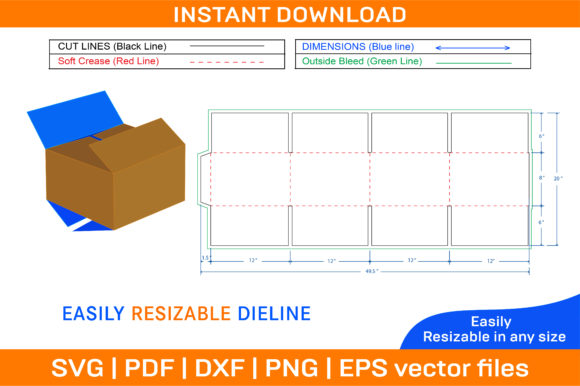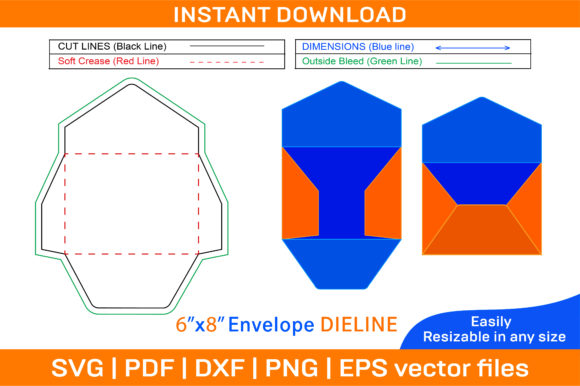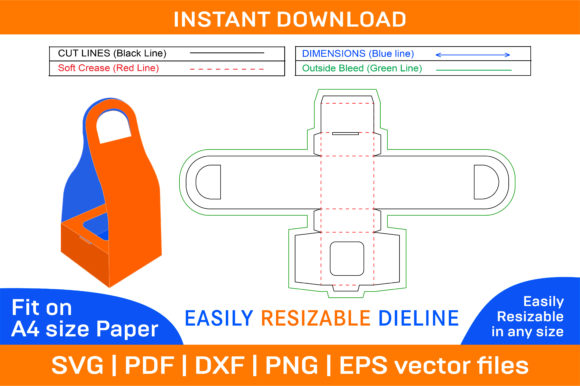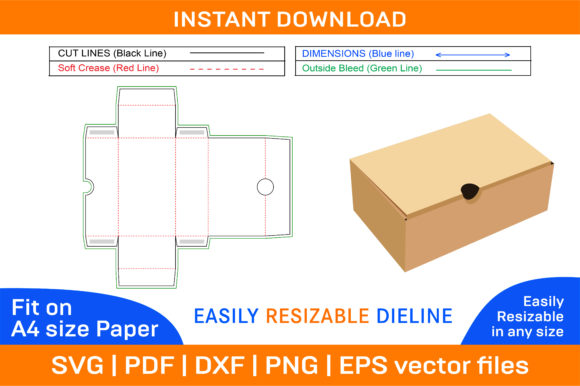
Chocolate Box or Drawer Box Dieline Graphics and Print Templates
As a brand designer who has spent years helping local businesses transition from garage startups to shelf-ready brands, I know that packaging is often the first handshake with a customer. When I first reviewed the Chocolate Box or Drawer Box Dieline, my immediate reaction was one of structural promise mixed with aesthetic versatility. It isn’t just a flat shape; it is a foundational element for small business branding that suggests craftsmanship and care. This asset falls squarely into the realm of Print Templates and Graphics, offering a tangible solution for entrepreneurs who need professional-grade visuals without hiring an expensive design agency.
The mood this dieline creates is inherently premium yet approachable. Whether you are running a boutique chocolate shop, a handmade soap brand, or a local artisanal candle business, the drawer box format implies a reveal—a moment of discovery that elevates the unboxing experience. It feels elegant enough for high-end gifting but sturdy enough for everyday retail. For a local florist or a seasonal product campaign, this structure provides a canvas that whispers quality before the customer even sees the price tag.
From Flat File to Brand Identity
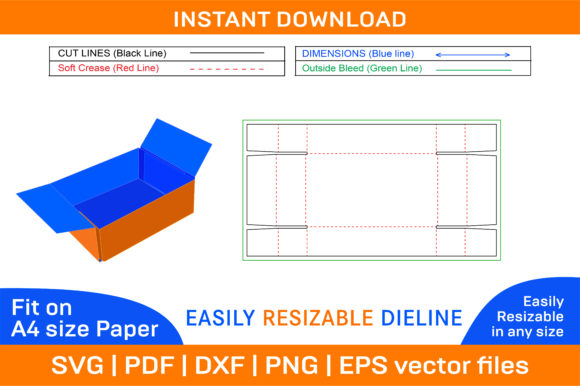
In a real-world scenario, imagine you are launching a new line of organic skincare products. You have your logo, your color palette, and your story, but your product needs a vessel. The Chocolate Box or Drawer Box Dieline becomes the anchor of your brand identity. Because the ZIP archive contains versatile file formats including SVG, PDF, EPS, DXF, AI, and PNG files, you can adapt this asset across multiple touchpoints of your marketing ecosystem.
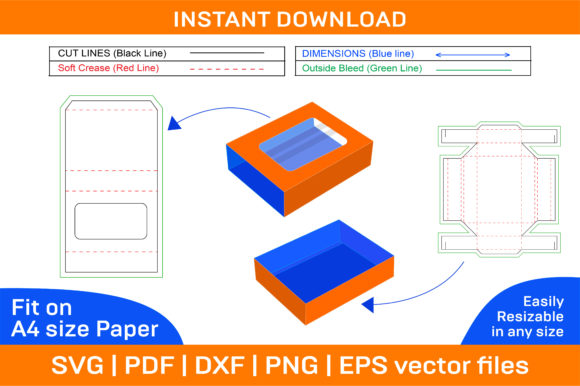
This isn't merely about putting a label on a box. It is about creating a cohesive visual language. You can use the vector files (SVG, AI, EPS) to integrate your typography and iconography directly into the box structure. This ensures that your logo design scales perfectly and maintains sharpness whether it is printed on a large storefront banner or a tiny hang tag. The inclusion of a 3D box design within the assets allows you to visualize how your packaging design will look in physical space, which is crucial for planning your retail display.
Practical Applications for Local Businesses
The utility of this graphic design asset extends far beyond the primary package. For a local bakery or a food label business, this dieline supports a wide array of promotional materials. You can extract decorative elements from the dieline to create matching thank-you cards, stickers, and printable inserts that go into every order. These small touches significantly improve customer trust and emotional connection.
- Social Media Graphics: Use the PNG design files to create realistic product mockups for Instagram and Facebook. A well-lit photo of your product in this specific drawer box style immediately signals professionalism to potential customers scrolling through their feeds.
- Promotional Ads: The clean lines of the folding box make it an excellent hero graphic for website banners and email newsletters. It draws the eye and establishes a clear visual hierarchy, guiding the viewer’s attention to your call-to-action.
- Editorial Design: If you are creating a catalog or a menu graphic, this asset adds texture and depth. It breaks up text-heavy layouts and provides a modern design flair that keeps readers engaged.
For creative entrepreneurs selling digital products, this template serves as a powerful tool. You can offer customizable versions as part of your own product line, allowing other sellers to quickly launch their own branded goods. This turns a single purchase into a potential revenue stream, leveraging the concept of a Canva template or a creative marketplace resource.
Strategic Placement and Visual Hierarchy
To maximize the impact of the Chocolate Box or Drawer Box Dieline, you must understand where it shines and where it might compete with essential information. The design works best when used as a decorative brand element or a structural accent. On product labels, it provides a sophisticated background that makes your core message pop. For boutique visuals, it frames your items beautifully, enhancing shelf appeal.
However, there are areas where caution is required. In formal corporate branding, this style might feel too playful or artisanal depending on the execution. More critically, avoid using complex decorative parts of the dieline in crowded product packaging or ingredient-heavy layouts. Legal information areas require clarity above all else; do not let the illustration compete with mandatory text. Similarly, on low-contrast backgrounds, intricate details may get lost. If you are targeting luxury minimalist brands, ensure the dieline’s lines are simplified to match the serene aesthetic.
A Designer’s Checklist for Implementation
Before committing to print runs or finalizing your commercial design, I recommend following these practical steps to ensure the asset performs as intended:
- Test on Real Mockups: Always place your design onto a physical or high-fidelity digital mockup of the box. Screen colors differ significantly from printed ink.
- Check Black and White Usage: Preview your design in grayscale. Does the visual hierarchy hold up without color? This ensures your logo and key messages remain legible.
- Font Pairing: Test the dieline alongside various font styles. Compare it with serif fonts for a classic look, sans-serif for modernity, script or handwritten fonts for a personal touch, and display fonts for bold statements. The right typography can elevate the box from a simple container to a brand statement.
- Vector Editability: Inspect the SVG or AI files to ensure you can easily resize and recolor elements. If you plan to change the brand colors, the vector paths should allow for seamless editing.
- Transparency Review: Check the PNG transparency layers. Are the edges clean? Is the background truly transparent for easy overlaying on other designs?
- Commercial Licensing: Confirm the commercial license terms. Ensure you are allowed to use the asset for client work, business branding, and physical product sales. This protects your business from legal issues down the road.
Final Thoughts on Professional Branding
Investing in high-quality design assets like the Chocolate Box or Drawer Box Dieline is an investment in your brand’s perceived value. For local business owners, marketers, and packaging designers, this template offers a bridge between amateur presentation and professional branding. It supports stronger first impressions, better product recognition, and more polished marketing visuals.
Whether you are designing for a children’s product brand, a home decor shop, or a festive holiday campaign, this dieline provides the structural integrity and aesthetic flexibility needed to stand out. By treating your packaging as a critical component of your marketing visuals, you transform a simple transaction into a memorable brand experience. Take the time to customize, test, and refine. The result is not just a box; it is a tangible representation of your business’s commitment to quality.