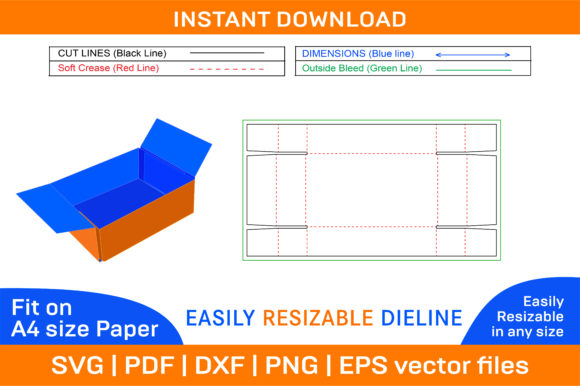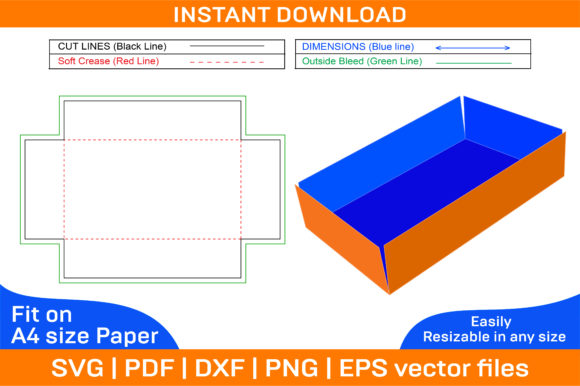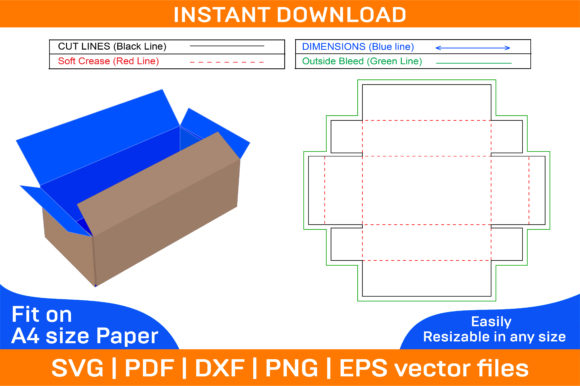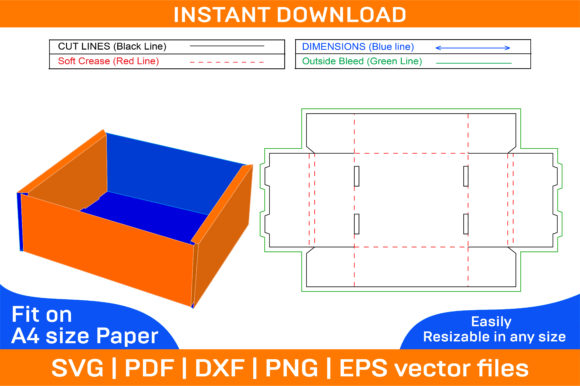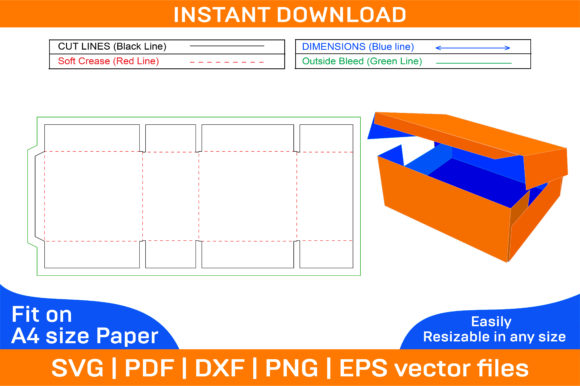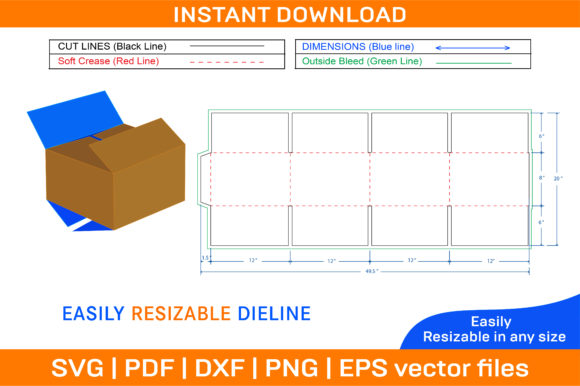
Mailer Shipping Corrugated Box Dieline Graphics and Print Templates
As a brand designer who has spent years refining visual identities for small businesses and digital creators, I approach every new asset with a mix of skepticism and curiosity. In the world of content marketing, first impressions are everything. When a customer unboxes a product or sees a promotional graphic that mimics physical packaging, it triggers an immediate psychological response related to trust, quality, and anticipation. Today, I am reviewing a specific graphic design asset that bridges the gap between digital promotion and physical product experience: the Mailer Shipping Corrugated Box Dieline.
This isn't just a flat image; it is a comprehensive design bundle intended to help creators simulate realistic packaging in their marketing visuals. For brand owners, bloggers, and social media managers, having access to high-quality print templates can significantly elevate the perceived value of a campaign. Let’s dive into how this asset performs in real-world branding scenarios and whether it deserves a spot in your creative workflow.
First Impressions and Emotional Tone
When you first open the ZIP archive containing SVG, PDF, EPS, DXF, AI, and PNG files, the sheer versatility of the Mailer shipping corrugated box dieline template and 3D box design becomes apparent. The mood it creates is one of grounded authenticity. Unlike glossy, overly polished corporate graphics, a corrugated box dieline evokes feelings of craftsmanship, sustainability, and tangible care. It suggests that what is inside is worth protecting and presenting with care.
This emotional tone is particularly effective for handmade products, lifestyle brands, and eco-conscious businesses. It feels suitable for casual branding yet retains enough structure to support premium visuals. Whether you are designing for a bakery, a boutique clothing line, or a digital coach selling printable planners, this asset brings a sense of warmth and reliability. It avoids looking messy or unprofessional because the underlying structure—a folding box—is universally recognized as a symbol of delivery and service. By using this printable box template, you are subtly communicating to your audience that you value the journey of your product from your hands to theirs.
Real-World Application in Marketing Campaigns
To understand the true value of this digital product, let’s imagine a real scenario. A small business owner is launching a seasonal skincare kit. They need to create a cohesive content kit that includes Instagram posts, Pinterest pins, Facebook ads, and email banners. Traditionally, they would need to hire a photographer to shoot flat-lays of their boxes, which is expensive and time-consuming. Alternatively, they might struggle to create realistic 3D mockups themselves.
This is where the Mailer Shipping Corrugated Box Dieline shines. Because the file includes vector formats like AI and SVG, designers can easily manipulate the dimensions, colors, and textures to match the brand identity perfectly. You can use this commercial design element to create stunning hero graphics for website headers or to design packaging inserts that double as promotional materials. It supports a clear visual hierarchy by providing a structured frame for your product photos or text overlays.
The asset is not limited to e-commerce. It is equally powerful for editorial design and lead magnets. Imagine creating a downloadable guide on "Sustainable Packaging" and featuring this dieline as a decorative brand element on the cover page. It adds depth and context to your web design and reinforces your authority in the niche. For social media managers, it offers a way to break up the monotony of standard square posts by introducing diagonal lines and three-dimensional perspective, which naturally draw the eye and improve engagement.
Supporting Brand Goals and Audience Trust
Stronger first impressions lead to clearer visual communication, which in turn builds audience trust. When your social media graphics look as professional as your actual packaging, you reduce cognitive dissonance for the customer. They see consistency across all touchpoints, from the ad they clicked to the email they received and the box they eventually hold. This consistency is crucial for small business branding.
Using a high-quality creative design asset like this helps in several key areas:
- Better Product Presentation: The 3D aspect allows you to showcase your product in a realistic context without the cost of physical props.
- Improved Audience Trust: Professional-looking mockups signal that you are a legitimate, established brand.
- Emotional Connection: The tactile nature implied by the corrugated texture creates a sensory link for the viewer.
- Memorable Campaign Visuals: Unique angles and structural elements make your ads stand out in crowded feeds.
Furthermore, this asset supports stronger recognition. If you consistently use a specific color palette or logo placement on these box designs across multiple campaigns, your audience will begin to associate that visual structure with your brand. It becomes a recognizable part of your brand identity, much like a signature font or color scheme.
Strategic Placement and Design Integration
Where does this asset work best? It is ideal for hero graphics, campaign headers, and product launch visuals. Use it as a branded template for social media covers or as a decorative element in editorial layouts. It works exceptionally well for merchandise design, stickers, and digital product visuals where you want to simulate a physical good.
However, there are places where you must use this clipart carefully. It may not be suitable for formal corporate branding where sleek, minimalist aesthetics are preferred. Avoid using it in dense information layouts where the complex folds and edges might compete with essential data. Be cautious when placing it on low-contrast backgrounds or in very small mobile graphics, as the details may become lost. Additionally, if your main message is text-heavy, ensure the box design does not distract from the copy. The goal is to enhance the message, not overpower it.
Practical Notes for Designers and Marketers
Before integrating this illustration into your projects, consider the following practical tips. First, test it with your brand color palette. Can you recolor the corrugated texture to match your primary brand color while maintaining the illusion of cardboard? Second, check its usage in black and white. Does it still hold its form and visual interest without color cues?
Place the design inside real campaign mockups to see how it interacts with other elements. Preview it on mobile screens to ensure readability and impact at smaller sizes. Compare it against competitor visuals to see if it helps you stand out or blend in. Pay attention to typography pairing; this asset often pairs well with serif fonts for a classic look, sans serif fonts for modern clarity, or handwritten fonts for a personal touch. Review the spacing and balance to ensure the box doesn't feel cramped.
Finally, confirm commercial licensing before using it in paid campaigns, client work, or business branding. Understanding the terms of use ensures you can leverage this design assets fully without legal concerns. Whether you are creating a Canva template for clients or designing a full suite of digital ads, this Mailer Shipping Corrugated Box Dieline is a versatile tool that can elevate your professional branding efforts.
In conclusion, this modern design asset is more than just a file; it is a strategic component for any creator looking to bridge the digital and physical worlds. By incorporating the Mailer Shipping Corrugated Box Dieline into your visual content creation process, you add depth, realism, and professionalism to your marketing efforts, ultimately helping you connect more effectively with your audience.