3d Gear Logo Design: A Practical Review for Graphics and Logos
As a digital product creator who has spent years optimizing listings on Etsy, Creative Fabrica, and Shopify, I know that the difference between a stagnant shop and a thriving one often comes down to the quality of your core assets. You are not just selling a file; you are selling the potential for a brand identity, a finished craft project, or a professional presentation. Today, I am reviewing 3d Gear Logo Design, a graphic design asset that promises versatility for commercial use. The goal here is not hype, but a realistic assessment of how this tool fits into a working workflow for print-on-demand sellers, Cricut users, and small business owners.
First Impressions and Visual Personality
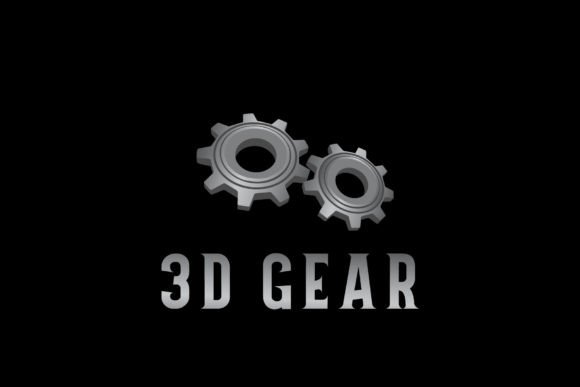
The first thing I noticed when opening the package was the clarity of the vector structure. The logo above is designed with professional approach in Adobe Illustrator. This matters because it means clean lines, scalable geometry, and no pixelation issues when resizing for different applications. The visual personality of 3d Gear Logo Design strikes a balance between industrial strength and modern polish. It does not feel overly rugged like a traditional mechanic’s emblem, nor does it feel too corporate and sterile. Instead, it sits in a sweet spot that appeals to tech startups, engineering firms, construction brands, and even hobbyist groups focused on mechanics or robotics.
For the creative entrepreneur, this aesthetic is valuable because it is broad enough to be adapted but distinct enough to stand out in a crowded marketplace. The "3D" effect gives it depth, which translates well to merchandise like metal pins, enamel badges, and high-quality apparel prints. However, we must consider whether this style aligns with your specific niche. If you sell boho wedding invitations, this might be too sharp. But if you are targeting male-dominated demographics, STEM education materials, or industrial supply businesses, the bold, structured look of 3d Gear Logo Design is highly effective.
Real-World Application in Product Creation
Let’s move from theory to practice. Imagine you are preparing a new collection for your online store. How does 3d Gear Logo Design fit into tangible products? Here is a breakdown of where this asset shines:
- Apparel and Accessories: As a t-shirt design or mug design, the contrast of the gear shape works well on dark fabrics. The source files are easy to edit name colors allowing you to swap out standard black and white for metallic gold, silver, or neon hues to match seasonal trends like Halloween or Christmas.
- Digital Downloads: For those selling Canva templates, this logo serves as a strong anchor element for business card templates, social media graphics, and email headers. It adds immediate perceived value to a bundle.
- Crafting and DIY: For Cricut projects, the SVG design provides clear cut paths. Whether creating vinyl decals for laptops, water bottles, or car windows, the geometric precision ensures clean cutting without jagged edges. It also works beautifully as a sticker design for planners or journaling kits.
- Printable Wall Art: While perhaps less common for logos, incorporating 3d Gear Logo Design into minimalist office decor or motivational quotes for engineers can create a unique niche product line.
The package contains versions for different backgrounds, and one color mode. This is a crucial detail for usability. Having pre-separated layers or background-transparent PNG designs saves hours of manual cleanup in Photoshop or Illustrator. For the time-poor seller, this efficiency is a significant selling point.
Enhancing Product Presentation and Mockups
In the world of digital marketing, your listing images are everything. A raw vector file will not sell itself; it needs context. 3d Gear Logo Design is an excellent candidate for product mockup previews because its geometric nature holds up well when placed on textured surfaces like wood, concrete, or fabric.
When creating listing images for your Etsy product or print-on-demand platform, use this asset to demonstrate versatility. Show the logo on a white t-shirt, then on a dark coffee mug, and finally as a digital badge on a website header. This visual storytelling helps customers understand the commercial license value they are purchasing. It builds customer trust by showing that the asset is ready for real-world application. Furthermore, using a consistent visual hierarchy across your thumbnails—where 3d Gear Logo Design is the focal point against a clean backdrop—increases click-through potential significantly.
Strategic Considerations and Potential Pitfalls
No asset is perfect for every scenario. As an experienced seller, I urge you to test 3d Gear Logo Design carefully before committing to a full product launch. There are specific areas where caution is required:
- Complexity at Small Sizes: If you plan to use this as a tiny sticker design or in a crowded thumbnail, the 3D shading details may get lost. Always preview the asset at 1 inch wide to ensure legibility.
- Contrast Issues: The package contains versions for different backgrounds, but you should still verify how it performs on low-contrast surfaces. Avoid placing light-colored gears on pale yellow or pastel backgrounds unless you adjust the opacity or add a drop shadow.
- Cutting Limitations: While the SVG design is clean, intricate inner cutouts in gear teeth can sometimes cause issues with cheaper vinyl cutters. Test the cut quality on scrap material first to ensure the Silhouette or Cricut blade doesn’t struggle with fine details.
- Resolution Checks: Even though it is a vector, if you export for sublimation design, ensure you are exporting at the correct DPI (usually 300) to maintain sharpness on curved surfaces like tumblers.
Practical Seller Notes for Implementation
To maximize the utility of this graphic design asset, follow these practical steps before publishing your listings:
- Font Pairing: When creating templates or branding kits, pair 3d Gear Logo Design with complementary typography. A sans serif font works well for a modern tech look, while a handwritten font might clash. Stick to display fonts or bold serif fonts to maintain authority.
- File Organization: Organize your files clearly for customers. Separate the AI, EPS, SVG, and PNG design formats into distinct folders. Include a readme file explaining how to access the source files.
- Licensing Verification: Before selling finished products, confirm commercial license terms. Ensure you are allowed to modify the asset and resell it as part of a larger design bundle. Most marketplaces require explicit permission for commercial use.
- Color Mode Conversion: The package contains versions for different backgrounds, but check if CMYK profiles are available for physical printing. RGB screens look different than printed ink, so test print colors on actual paper or fabric samples.
Final Verdict for Digital Sellers
3d Gear Logo Design is a robust addition to any designer’s toolkit. It offers the reliability of professional vector creation with the flexibility needed for diverse product types. Whether you are building a handmade business brand identity or creating quick digital downloads for passive income, this asset delivers on its promise of quality. The fact that the source files are easy to edit name colors allows for rapid customization, which is essential in today’s fast-paced e-commerce environment.
If you are looking to expand your offerings in the Logos category, this asset provides a solid foundation. It supports visual hierarchy, enhances brand consistency, and fits seamlessly into both digital and physical product streams. By testing it thoroughly and presenting it professionally through high-quality mockups, you can leverage 3d Gear Logo Design to drive sales and establish credibility in the creative marketplace.