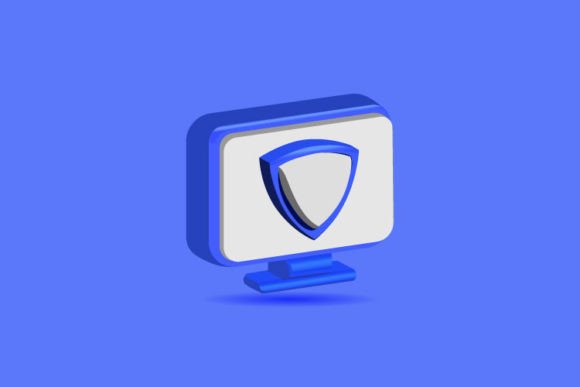
3D Monitor with Image Design Vector: A Polished Graphic for Creative Projects
As a professional graphic designer who regularly works on branding, packaging, and digital marketing visuals for small businesses and creative entrepreneurs, I always look for design assets that elevate the overall feel of a project. Recently, I came across the 3D Monitor with Image Design Vector, and after testing it in several real-world scenarios, I wanted to share my thoughts from a practical perspective.
A Strong First Impression for Modern Visual Concepts
The first thing that caught my eye about this asset was its clean yet dynamic 3D aesthetic. It feels contemporary without being overly trendy, making it versatile enough for both tech-related themes and more abstract or artistic concepts. The image displayed on the monitor is stylized but not too detailed—this balance makes it easy to integrate into various design contexts without clashing. The visual mood leans towards innovation, creativity, and a touch of sophistication, which aligns well with modern branding efforts for startups, digital agencies, or even handmade product lines looking to embrace a fresh, tech-forward identity.
I found myself thinking about how this could work for a client launching a new line of smart home devices or a boutique offering digital art prints. The 3D Monitor vector has a subtle sense of motion and depth, which helps create an engaging focal point in otherwise flat layouts.
Performance Across Different Design Applications
One of the key tests for any graphic design asset is how it performs across multiple use cases. Here's where the 3D Monitor with Image Design Vector shines:
- Product Mockups: This illustration is perfect for showcasing digital products like software, online courses, or web-based tools. Placing it behind a logo or alongside a tagline can suggest a high-tech vibe without overpowering the message.
- Printable Wall Art: The clean lines and layered structure translate well into large-scale prints. It adds a decorative touch without overwhelming the space.
- Social Media Graphics: As part of a seasonal campaign or promotional post, the vector fits seamlessly into Instagram banners, Facebook covers, or Pinterest pins. Its visual clarity ensures it remains legible at smaller sizes when used as a supporting element.
- Editorial Design: In blog headers or magazine spreads discussing technology, digital culture, or creative workflows, the 3D Monitor can serve as a thematic anchor.
- Cricut Projects & Sticker Design: When simplified or adjusted in color, this design can be adapted for cut files or vinyl stickers, especially for crafters or Etsy sellers aiming to offer tech-themed merchandise.
- Web Design Elements: Used as a background or hero section graphic, it gives websites a polished, modern edge. Just be sure to layer it correctly so it doesn’t interfere with text readability.
Its adaptability in formats like AI, EPS, SVG, PNG, and JPG also means you can scale it up for posters or down for icons while maintaining quality. That’s a big plus for commercial design projects.
Where This Asset Truly Excels
This vector illustration excels in large layout areas and hero graphics, particularly in print-on-demand or digital product mockups. For instance, when designing a product label for a new smartwatch, using this vector subtly in the background helped emphasize the brand’s focus on innovation and user experience.
It also works beautifully as a decorative accent in themed collections—imagine a set of laptop stickers or wall decals for a co-working space or café with a modern twist. The 3D aspect adds depth and dimension, helping the final product stand out among generic clipart options.
For brand identity purposes, I found it useful in creating a cohesive look between digital and physical materials. Whether it was a website header, social media post, or printed flyer, the 3D Monitor consistently reinforced a consistent visual theme centered around modernity and creativity.
When to Use It Carefully
While the 3D Monitor with Image Design Vector is incredibly versatile, there are situations where it may not be the best fit. In crowded layouts, such as complex infographics or busy editorial pages, it can become a distraction if not properly balanced with other elements.
Also, if your project requires a minimalist approach, like corporate branding for a financial firm or a sleek e-commerce site, this asset might not align with the desired tone. The 3D effect and imagery can add unnecessary complexity to designs that need to feel streamlined and professional.
Another consideration is small-size applications. While the PNG version is crisp, reducing the asset to icon size or tiny social media thumbnails may lose some of its detail. Always preview it at different scales before finalizing the use case.
Readability, Hierarchy, and Brand Consistency
In terms of visual hierarchy, the 3D Monitor should be used as a secondary element rather than a primary one. It complements rather than competes with text, logos, or call-to-action buttons. However, if placed incorrectly, it can muddy the clarity of a design. My advice is to always test it against the main type styles you're considering—whether that’s a serif font for elegance or a sans serif font for a cleaner look.
Regarding brand consistency, I noticed that the asset maintains a strong presence across varied uses. From digital ads to t-shirt designs, it felt like a natural extension of a brand’s personality—especially those leaning into a tech-savvy or creative niche.
But don’t overlook the importance of color contrast. I tested it on both light and dark backgrounds, and in some instances, the default colors didn’t provide enough contrast. Adjusting the palette to match the brand’s primary colors improved recognition and emotional appeal significantly.
Design Notes for Real Client Work
Before using the 3D Monitor with Image Design Vector in a real client project, here are some key checks I recommend:
- Test it in black and white: See if the design still conveys the intended message without color. This is crucial for print materials like brochures or business cards.
- Preview at small and large sizes: Confirm that it holds up visually whether it’s a background element on a poster or a small sticker for a product.
- Inspect file formats: The AI, EPS, and SVG versions are ideal for editing and scaling. The PNG and JPG are great for quick drops into Canva templates or photo editors.
- Check transparency in PNG files: If you’re using it over photos or gradients, make sure the edges are clean and the alpha channel is intact.
- Confirm commercial licensing: Since many designers repurpose these assets for clients, always ensure the product comes with a valid commercial license to avoid legal issues later.
- Place it on real mockups: Try it on a mockup of a laptop, phone, or tablet screen to see how it interacts with real-world usage. This step is vital for sublimation design or product mockup creation.
- Compare with typography choices: Pair it with script fonts for a softer, more creative look or with display fonts for a bold statement. Avoid pairing it with overly intricate fonts that might clash with the vector style.
Why It’s Worth Adding to Your Design Toolkit
For creative marketplaces, print-on-demand sellers, and handmade brands, this vector offers a unique way to add visual interest without requiring custom illustration work. It brings a level of polish to design bundles and can easily become part of a recurring motif in a themed collection.
What I appreciate most is how it bridges the gap between graphics and illustrations, providing a middle ground that’s neither too literal nor too abstract. It’s a solid choice for anyone needing a modern design element that supports a tech-oriented or digital-centric narrative.
Final Thoughts for Designers and Entrepreneurs
After integrating the 3D Monitor with Image Design Vector into several client projects, I can confidently say it’s a valuable addition to a designer’s library. It’s flexible, stylish, and capable of enhancing everything from brand identity to packaging design. Just remember to tailor its use to the specific needs of your project and always double-check technical details before going live.
If you’re working on a digital product launch, preparing a Canva template for a client, or crafting social media graphics for a handmade business, consider adding this asset to your toolkit. It may just be the spark your design needs to feel more professional and engaging.