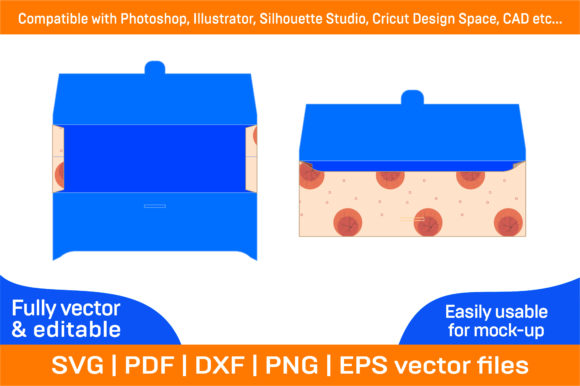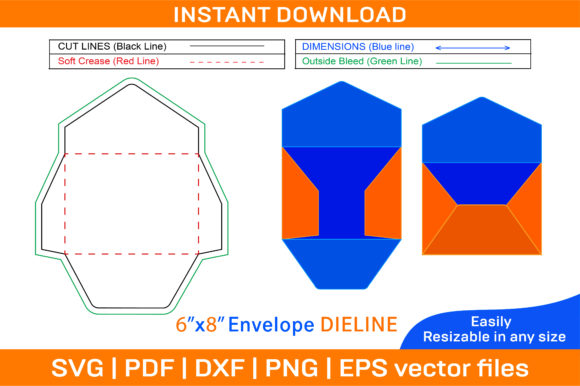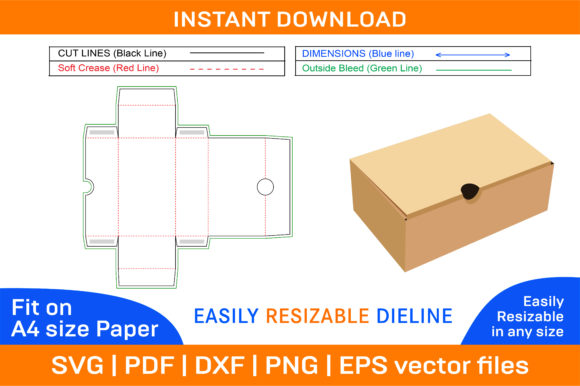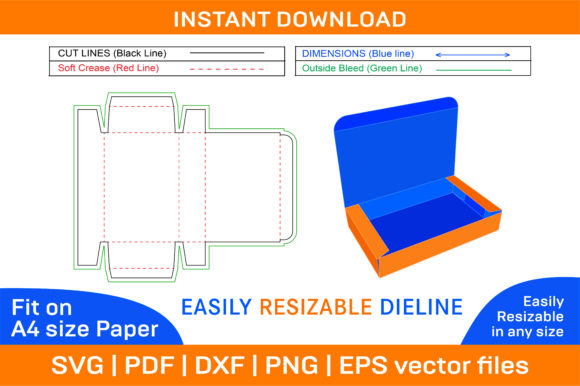
Creative Envelope Dieline Template Design for Print Templates & Graphics
As a professional graphic designer with years of experience in brand identity and packaging design, I recently had the opportunity to evaluate the Creative Envelope Dieline Template Design for use on a real client project. The task at hand was to develop a cohesive visual system for a local handmade soap boutique launching their first seasonal product line. They needed something that felt personal yet polished—something that could be used across print templates and digital graphics while maintaining a strong emotional appeal.
A First Impression That Speaks Volumes
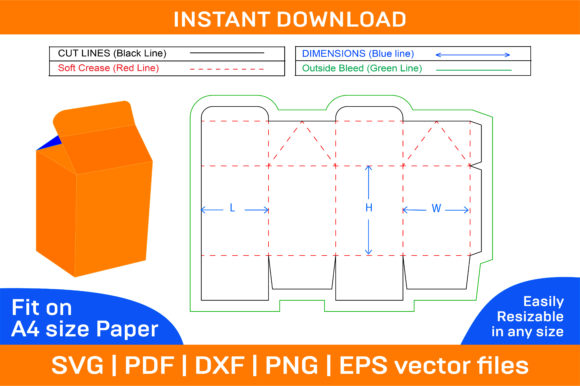
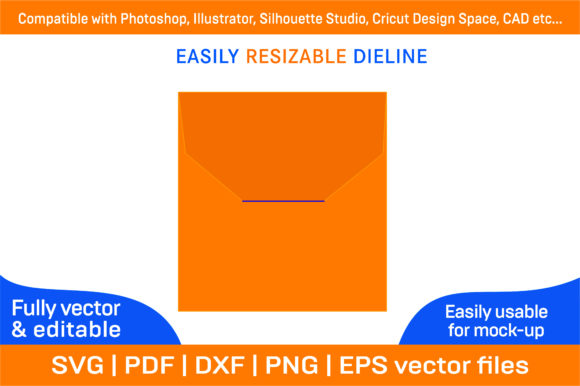
The moment I unzipped the file bundle, it was clear this asset was thoughtfully crafted. The Creative Envelope Dieline Template Design offers a modern yet classic envelope shape with elegant folding lines and a 3D vector structure that suggests both functionality and aesthetic value. The dieline isn’t just a template; it’s a visual anchor that supports creative branding elements without overshadowing them.
What stood out immediately was its versatility as a graphic design asset. Whether you're working on product mockups, social media posts, or even editorial spreads, this envelope design adds a layer of sophistication that can elevate an entire campaign. It naturally fits into projects that aim for a handmade business feel, especially those centered around artisanal products, greeting cards, or event invitations.
How It Fits Into Real-World Design Projects
In my workflow, I tested this template across several key areas:
- Logo Design: Used subtly in the corner of the envelope, it helped reinforce the brand's attention to detail and craft.
- Brand Identity: Incorporated into packaging design for product shipments, it created a consistent look between physical items and digital promotions.
- Product Labels: As part of a larger design set, the envelope became a motif for label tags and seals, adding a touch of personality.
- Social Media Graphics: When scaled up for Instagram stories or Pinterest pins, the 3D aspect of the design added depth and interest.
- Printable Designs: Perfect for creating downloadable wall art or stickers, the clean lines and vector format made scaling easy and distortion-free.
This is not just another clipart-like illustration—it’s a full-fledged commercial design asset that can be adapted to multiple uses within a single project. For instance, when preparing hero graphics for the client’s new product launch landing page, the envelope template served as a central visual element, drawing the eye and reinforcing the theme of thoughtful, curated experiences.
Where This Asset Shines
Here are some of the best use cases where the Creative Envelope Dieline Template Design truly comes into its own:
- Large Layout Areas: The detailed nature of the dieline works beautifully when given enough space to breathe. It doesn't become overwhelming but rather enhances the overall composition.
- Hero Graphics: Its bold form makes it ideal for feature banners or promotional headers where a striking image is needed.
- Product Mockups: Placing the envelope design on mockups for packaging prototypes gives clients a realistic preview of how their branding will translate in physical form.
- Themed Collections: Especially for holiday campaigns or special editions, the envelope adds a decorative flair that ties visuals together cohesively.
- Print-on-Demand Sellers: The included SVG and PNG files make it perfect for Cricut projects, sublimation printing, and other DIY-style merchandise like mugs, tote bags, or custom stationery.
For a small business owner looking to create a memorable brand identity, this template provides a unique way to stand out from generic packaging solutions. It feels intentional and high-quality, which helps build visual trust and recognition among customers.
Use It With Caution in These Scenarios
While the Creative Envelope Dieline Template Design is powerful, it’s important to know where it might not perform as well. Here are some situations where I’d advise careful consideration:
- Small Sizes: At smaller resolutions, such as mobile app icons or micrographics, the intricate details may become lost or muddy.
- Crowded Layouts: If your design already has multiple layers or textures, the envelope might compete for attention rather than complement the layout.
- Complex Backgrounds: The patterned dieline can struggle to maintain clarity against busy or gradient-heavy backgrounds.
- Minimalist Branding: Clients who prefer a clean, no-nonsense look may find the design too ornate for their needs.
- Professional Corporate Materials: In formal reports, presentations, or financial documents, the envelope could clash with the intended tone.
- Test in Black and White: Even though the design includes color, it’s essential to ensure it maintains visual impact in grayscale for printed materials or monochrome campaigns.
- Check Contrast on Light and Dark Backgrounds: The template looks great on neutral tones, but when placed on darker or light-colored surfaces, contrast becomes key for legibility.
- Preview at Small and Large Sizes: Confirm that it scales cleanly across all platforms—from Instagram posts to large-format posters.
- Place on Real Mockups: Use tools like Photoshop or Illustrator to test the design on actual product mockups for a true-to-life presentation.
- Test Print Quality: Run a quick proof print to see if the folding lines and creases remain visible and crisp after printing.
- Review File Formats: The ZIP archive contains SVG, PDF, EPS, DXF, AI, and PNG files—each suitable for specific tasks. Make sure you’re selecting the right format for each application.
- Inspect PNG Transparency: If you're using it as a background overlay or digital sticker, check that the transparency is clean and won’t interfere with underlying elements.
- Confirm SVG or Vector Editability: Being able to adjust individual components in Adobe Illustrator or Inkscape is crucial for customizing the design for specific client needs.
- Verify Commercial Licensing: Always confirm the commercial license covers your intended usage—whether it’s for an Etsy product, a print-on-demand service, or a branded Canva template.
That said, these limitations don’t detract from its value—they simply highlight the importance of context in graphic design. Understanding where to place the asset ensures it contributes positively to the visual hierarchy and overall message of the project.
Design Performance: Readability and Emotional Appeal
One of the most critical aspects of any design asset is how it affects readability and audience engagement. In testing the Creative Envelope Dieline Template Design alongside various font styles—serif, sans serif, script, handwritten, and display fonts—I found it performed particularly well with more expressive typefaces. It complements script and handwritten fonts beautifully, enhancing the feeling of personalization and craftsmanship.
However, when paired with stark, geometric sans serifs, the design can appear slightly mismatched unless carefully balanced. Still, this flexibility allows designers to tailor the look to different brand voices, whether they lean towards whimsical or sophisticated.
Emotionally, the envelope conveys warmth and intentionality. It’s a subtle but effective tool for building an emotional connection with the viewer—especially useful for handmade brands or seasonal campaigns. The sense of care and creativity embedded in the design helps create a stronger impression and can boost audience engagement significantly.
Practical Designer Notes for Commercial Use
Before committing to using the Creative Envelope Dieline Template Design on a paid project, there are a few things every designer should verify:
Why This Is a Must-Have for Creative Marketplaces
For digital sellers and print-on-demand entrepreneurs, the Creative Envelope Dieline Template Design is a valuable addition to any design bundle. It supports a wide range of applications, including sticker design, t-shirt design, and product labels, making it a go-to asset for themed collections or seasonal campaigns.
I found it particularly useful for packaging design mockups. Whether used as a standalone item or combined with other assets like paper boxes or foldable containers, the envelope template seamlessly integrates into a broader visual language. It also works well in editorial design—as a border element for quotes, call-out boxes, or photo captions in magazines or blogs.
Its presence in a design doesn’t scream for attention but instead invites curiosity. This kind of subtlety is rare in many design assets and is exactly what makes it so effective for storytelling in marketing visuals and website design.
Final Thoughts on Creative Envelope Dieline Template Design
In conclusion, the Creative Envelope Dieline Template Design is a compelling asset that blends practicality with style. As someone who frequently works with small business branding, I appreciate how it bridges the gap between digital and print templates, offering a level of professionalism often missing in free or low-cost assets.
If you're designing for a creative marketplace or helping a brand owner prepare for an online product launch, this template can serve as both a functional and emotional touchpoint. It’s adaptable, scalable, and visually rich—everything a top-tier graphic design asset should be.
Just remember to consider the project’s visual tone and scale before incorporating it. When used correctly, it can enhance your design direction, improve the mood of your layouts, and ultimately help your final work feel more polished and purposeful.