Foldable or Collapsible Corrugated Shipp Graphics and Print Templates
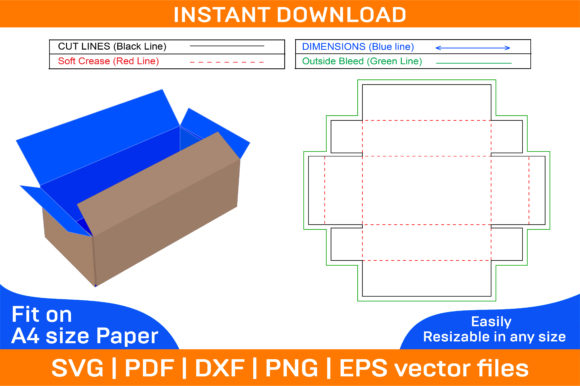
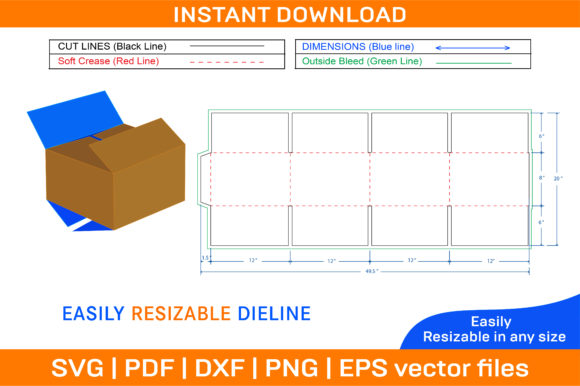
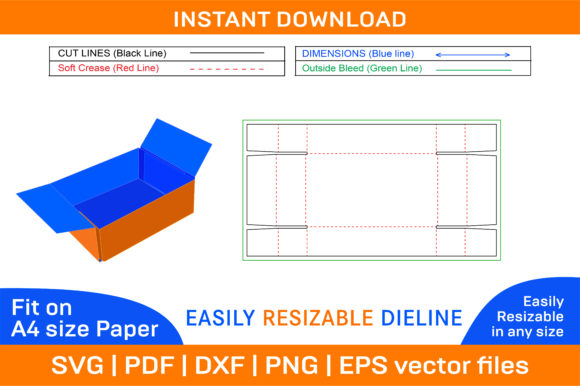
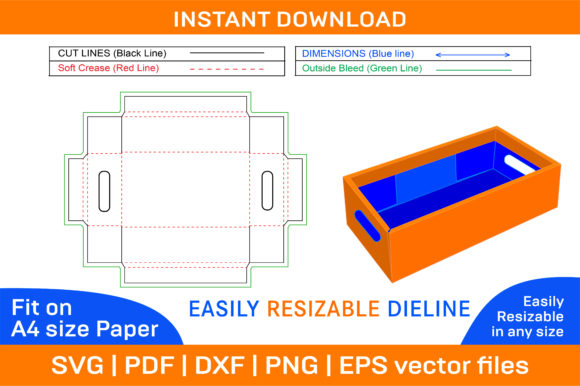
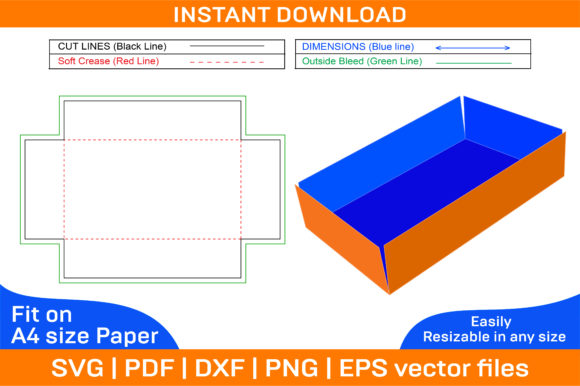
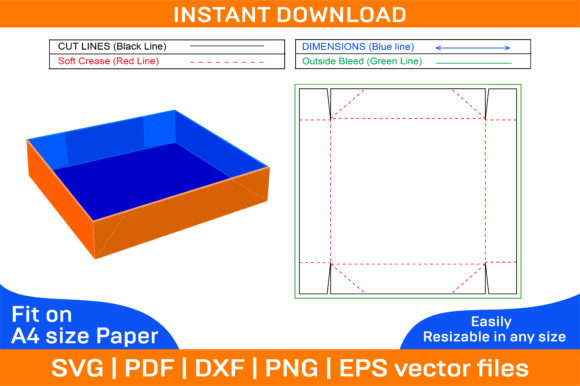
As a brand designer who has spent years helping local businesses transition from garage startups to shelf-ready brands, I look at every new asset with a critical eye. We are not just buying clipart; we are acquiring tools for visual communication. Recently, I reviewed the Foldable or Collapsible Corrugated Shipp asset pack, a comprehensive collection of die-line templates and 3D box designs. For small business owners, boutique founders, and creative entrepreneurs, this isn't just a graphic design asset; it is a structural foundation for your product’s first impression.
This review comes from the perspective of someone who has used similar assets to launch real local projects, from artisanal skincare lines to handmade candle brands. The question is not whether you need packaging, but whether this specific print template offers the versatility and professional quality required for modern small business branding.
The First Impression: Mood and Brand Personality
When I first opened the ZIP archive containing the SVG, PDF, EPS, DXF, AI, and PNG files, my immediate thought was about texture and tactile experience. The corrugated aesthetic inherently suggests sustainability, durability, and an organic connection to nature. It creates a mood that is earthy, honest, and grounded. This is not the sleek, cold finish of luxury tech packaging; this is warm, approachable, and trustworthy.
For a local bakery or a coffee roaster, this asset suggests a brand personality that values craftsmanship over mass production. It fits perfectly with brands that want to appear handmade, rustic, or eco-conscious. If your business sells organic soaps, botanical teas, or handcrafted home decor, the corrugated texture communicates "natural" before the customer even reads your label. It feels premium in its simplicity, avoiding the cluttered look of overly decorated boxes while still offering a distinct visual identity. It bridges the gap between functional shipping material and branded promotional material, allowing your packaging to double as a marketing tool.
Real-World Application: From Die-Line to Shelf Appeal
In my recent project for a local boutique soap maker, the challenge was creating a cohesive brand identity on a budget. We needed packaging that looked professional but didn't require expensive custom moldings. The Foldable or Collapsible Corrugated Shipp template proved invaluable. Because it includes editable vector files like AI and SVG, I could adjust the dimensions to fit our specific bar sizes without losing resolution.
This asset supports more than just the box itself. It enhances the entire product presentation. Here is how it translates to real business situations:
- Packaging Design and Product Labels: The clean lines of the die-line allow for clear visual hierarchy. You can place your logo prominently, ensuring better product recognition on crowded shelves or market stalls.
- Social Media Graphics and Marketing Visuals: The included 3D mockups are crucial for social media managers. Instead of staging physical products for every post, you can use these digital representations to create consistent, polished content for Instagram and Pinterest. This saves time while maintaining high-quality editorial design standards.
- Promotional Ads and Website Banners: Use the PNG versions for web design. They provide a realistic context for your products, helping customers visualize what they are buying. This improves customer trust by setting accurate expectations.
- Printable Inserts and Thank-You Cards: The same corrugated theme can be extended to interior packaging elements. A thank-you card printed on matching textured paper reinforces the brand identity and creates a stronger emotional connection with the buyer.
Strategic Branding Value
Why does this matter for your bottom line? Stronger first impressions lead to higher perceived value. When a customer receives a package that looks thoughtfully designed, it signals that care went into the product inside. This leads to improved customer trust and repeat purchases. Furthermore, using a consistent design language across your packaging, hang tags, and online visuals builds a more professional branding presence. It moves your business from "hobbyist" to "established local brand."
The asset also aids in clearer visual hierarchy. By having a structured template, you avoid the common mistake of cramming too much information onto the box. You can focus on key selling points, making your marketing visuals more effective. Whether you are a food business needing FDA-compliant space or a handmade seller wanting to showcase ingredients, the layout guides you toward a balanced composition.
Where It Works Best vs. Where to Exercise Caution
To get the most out of this graphic design asset, you must know where to apply it. It excels in scenarios where warmth and authenticity are key. It works beautifully for product labels, packaging accents, hero graphics for landing pages, and decorative brand elements in seasonal campaigns. It is particularly strong for boutique visuals and social media campaign graphics where lifestyle aesthetics drive engagement.
However, there are areas where this asset should be used carefully. It is generally unsuitable for formal corporate branding, where a cleaner, more sterile look is preferred. It may also struggle on very small labels where the corrugated texture becomes indistinguishable, leading to a muddy print quality. Avoid using it in crowded product packaging layouts where it might compete with essential text like ingredient lists or legal disclaimers. Additionally, if your brand relies on low-contrast backgrounds or ultra-minimalist luxury aesthetics, the rugged nature of corrugated cardboard might clash with your desired image. Always ensure the decoration does not overpower the core message of your product.
Practical Notes for the Designer
Before integrating this into your client work or personal brand, follow these practical steps to ensure success:
- Test on Real Mockups: Do not rely solely on screen previews. Print a test version to check how the texture interacts with your chosen ink colors.
- Check Black and White Usage: Ensure your logo and key graphics remain legible when converted to grayscale, as many corrugated prints are single-color or two-color processes.
- Preview on Small Sizes: Test the asset on small labels to ensure details do not get lost during printing.
- Color Compatibility: Test the asset with your brand colors. Earth tones usually work best, but bold colors can create striking contrast if done intentionally.
- Compare with Competitors: Look at other packaging in your niche. Does this asset help you stand out or blend in?
- Inspect Vector Editability: Verify that the SVG and AI files are properly layered and grouped for easy editing in your preferred software.
- Font Pairing: Test the asset beside serif fonts for a classic look, sans-serif fonts for modern clarity, script fonts for elegance, handwritten fonts for a personal touch, and display fonts for impact. The right typography can elevate the corrugated base significantly.
- Confirm Commercial Licensing: Always review the commercial license terms. Ensure you are allowed to use the design for physical product sales and client branding projects.
In conclusion, the Foldable or Collapsible Corrugated Shipp is more than just a printable box template; it is a versatile design asset that can support your local business branding efforts comprehensively. By understanding its strengths and limitations, you can create packaging that not only protects your products but also tells your brand story effectively. For any creative entrepreneur looking to enhance their visual hierarchy and professional branding, this asset is a worthy addition to your toolkit.