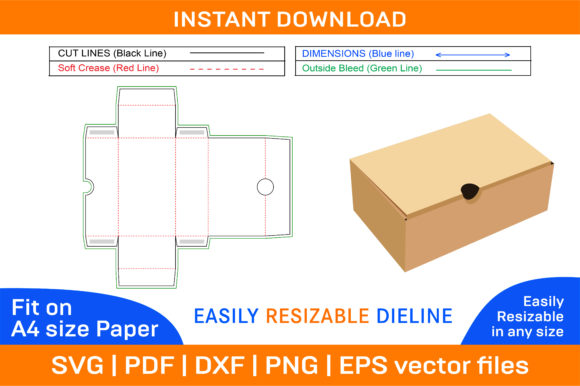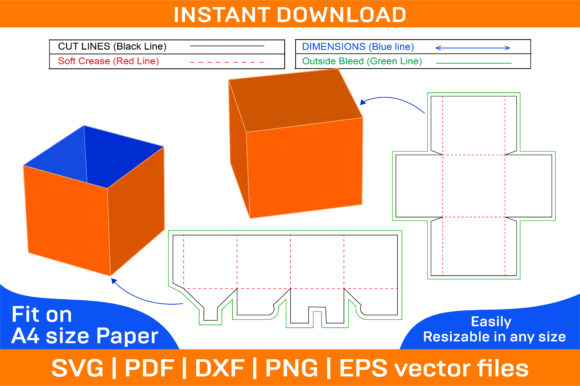
Lid Box, Gift or Sweet Box Dieline Graphics and Print Templates
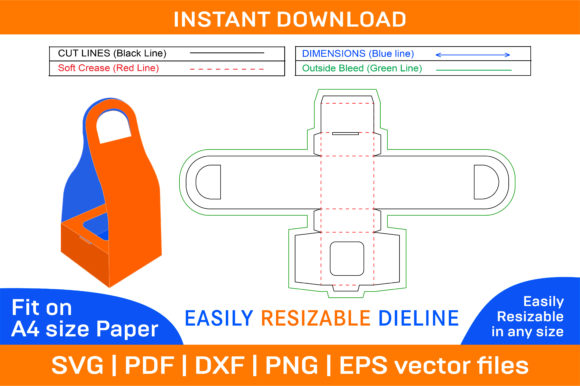
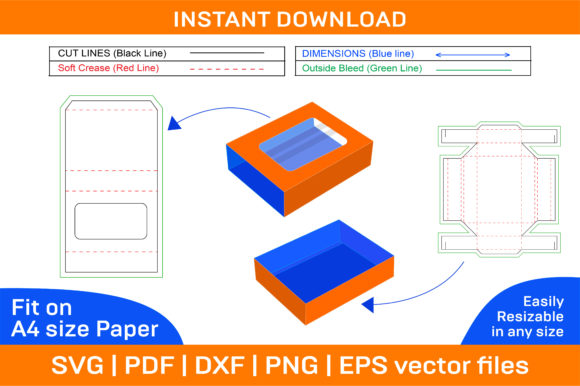
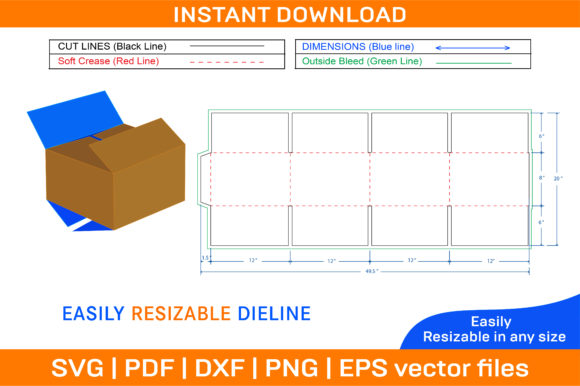
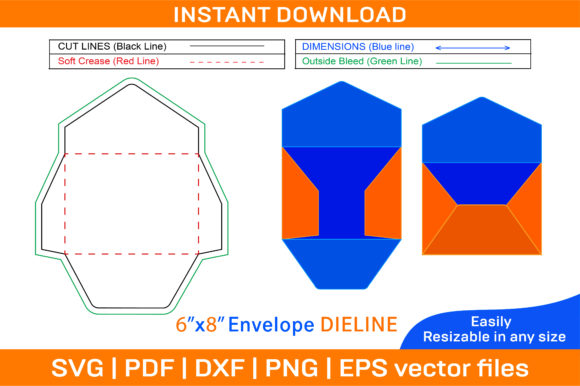
When I first pulled the files for Lid Box, Gift or Sweet Box Dieline into my workspace, my immediate thought wasn't just about aesthetics—it was about utility. As a digital product creator who has spent years optimizing listings for Etsy and print-on-demand platforms, I know that the difference between a stagnant listing and a bestseller often comes down to how well an asset supports the entire sales funnel. This graphic design asset isn't just a pretty picture; it is a structural foundation for packaging design and visual storytelling.
The mood of this asset strikes a balance between elegant and approachable. It feels premium yet accessible, which is crucial when targeting small business owners who need high-quality visuals without the agency price tag. The visual personality leans towards modern minimalism with a touch of decorative flair, making it versatile enough for feminine branding, rustic handmade goods, or even corporate gift sets. If you are looking to elevate your brand identity through consistent packaging visuals, this folding box template offers a clean slate that doesn't overwhelm the customer's eye.
From Asset to Income: Real-World Product Applications
Let’s look at this from the perspective of a seller preparing a new collection. Imagine you are launching a line of artisanal soaps or specialty sweets on Creative Fabrica or Shopify. You have the physical product, but you need digital assets to drive traffic and provide value before the item ships. Here is where Lid Box, Gift or Sweet Box Dieline becomes a commercial design powerhouse.
First, consider the versatility of the file formats. The ZIP archive contains SVG, PDF, EPS, DXF, AI, and PNG files. This multi-format support means you aren't locked into one workflow. For the Cricut user or Silhouette enthusiast, the SVG and DXF files allow for precise cutting lines, enabling them to create physical prototypes or sell digital cut files to their own audiences. For those selling Canva templates, the editable nature of the vector files allows you to create customizable invitation templates or greeting card designs that customers can easily adapt.
- Printable Design Bundles: Create a "DIY Gift Packaging Kit" for Etsy. Sell the printable box template alongside coordinating tags and labels. This appeals to crafters who want a professional finish for their homemade goods.
- Sublimation Designs: Use the PNG and AI files to create wrap-around designs for tumblers or mugs. The dieline structure helps you visualize how a pattern will flow across a 3D object, ensuring your sublimation design looks cohesive.
- Digital Downloads: Offer the box as a standalone digital download for bloggers and content creators who need realistic mockup props for their affiliate marketing posts.
- Merchandise Graphics: Incorporate the box outline into t-shirt designs or tote bag prints. The geometric structure adds a layer of visual hierarchy that stands out in crowded marketplaces.
I recently tested this asset by creating a mockup series for a fictional candle brand. By placing a digital label onto the lid box, gift or sweet box dieline template and 3D box design, I was able to generate six unique listing images in under an hour. This speed is invaluable when you are managing multiple shops or seasonal collections.
Enhancing Product Presentation and Click-Through Rates
In the world of digital selling, your thumbnail is everything. If your product mockups look flat or unprofessional, customers assume the digital product inside is low quality too. Using Lid Box, Gift or Sweet Box Dieline directly addresses this perception gap.
When you use this asset for product mockups, you are essentially borrowing credibility. A well-rendered 3D box suggests that your attention to detail extends to every aspect of your business. Whether you are selling planner stickers, nursery prints, or social media graphics, showing your design inside a contextual box helps the buyer visualize ownership. It transforms a abstract PNG file into a tangible solution.
This approach also supports brand consistency. If you run a handmade business, you can apply your logo and color palette to the dieline repeatedly. Over time, customers begin to recognize your specific style of packaging design, which reinforces trust. Furthermore, using this asset for promotional visuals—such as Instagram stories or Pinterest pins—allows you to maintain a cohesive aesthetic across all your marketing channels. The clean lines of the paper box ensure that text overlays remain readable, preserving the integrity of your message.
Strategic Placement and Potential Pitfalls
While this graphic design asset is robust, it is not a magic bullet for every scenario. Understanding where it fits—and where it doesn’t—is key to avoiding wasted effort. This asset works best in large product previews, themed bundles, and decorative layouts. It shines when used in digital downloads where the user needs to print and assemble their own packaging.
However, there are areas where you must exercise caution. Avoid using this asset for tiny sticker details. The intricate folds and creases of a dieline may become indistinguishable at very small scales, leading to confusion for the end-user. Similarly, if you are creating crowded thumbnails, the complexity of the box structure might compete with your main text or focal point, diluting the visual impact.
Be mindful of contrast. If you place a dark-colored box design on a black background, you lose definition. Always test your designs against both white and dark backgrounds to ensure visibility. Additionally, for products where clean cutting lines are critical, such as intricate Cricut projects, double-check the SVG paths. While the included DXF and SVG files are generally high quality, complex curves can sometimes require minor cleanup in software like Adobe Illustrator or Inkscape to ensure smooth cuts.
Practical Seller Notes for Quality Control
Before you upload any files based on Lid Box, Gift or Sweet Box Dieline to a creative marketplace, follow these practical steps to protect your reputation and maximize sales.
- Test on Real Mockups: Don't just rely on the digital preview. Export the design and place it in a photo editing program over a real-world photo of a box to check for scale and perspective accuracy.
- Verify File Resolution: Ensure your PNG exports are high-resolution (at least 300 DPI) for print-ready products. Low-resolution print products lead to negative reviews.
- Check Transparency: Verify that your PNG files have true transparency. Background artifacts can ruin the professionalism of a digital download.
- Organize for Customers: When delivering your digital product, organize the files clearly. Separate the vector files (AI, EPS, SVG) from the raster files (PNG, JPG). Include a simple instruction sheet on how to open and edit the files.
- Font Pairing: When customizing the dieline for your clients or personal use, experiment with font styles. Pair a serif font for elegance, a sans-serif font for modernity, or a handwritten font for a personal touch. Display fonts can add emphasis to special occasions.
- Confirm Licensing: Most importantly, review the commercial license associated with the asset. Ensure you are permitted to sell finished products created with the printable box template. Some licenses restrict resale of the raw file itself, while others allow unlimited commercial use of derived works.
Ultimately, Lid Box, Gift or Sweet Box Dieline is more than just a clipart element; it is a tool for scaling your creative output. By integrating this asset into your workflow for sticker design, mug design, or overall brand identity, you save time and enhance the perceived value of your offerings. Whether you are a seasoned designer or a beginner in the digital product space, this asset provides the structural clarity needed to create professional, sellable graphics that resonate with buyers.