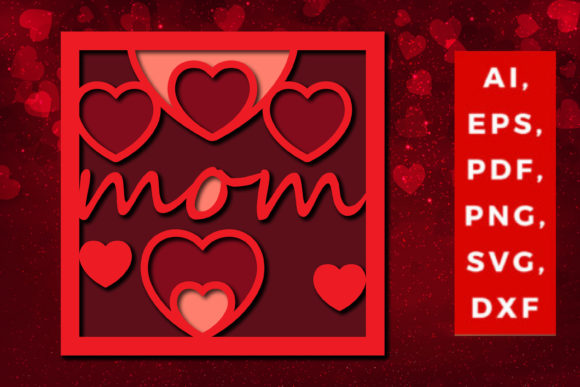
Multi Layer Valentine Mom SVG Review
As a designer who spends more time than I care to admit staring at stitch plots and fabric swatches, I approach every new embroidery file with a healthy dose of skepticism. The market is flooded with generic clip art rebranded as digital assets, but there are moments when a design actually stops me in my tracks. That was my first reaction to the Multi Layer Valentine s Mom SVG. It isn’t just another heart on a shirt; it has a specific visual weight and a layered complexity that suggests it was built with actual production in mind.
I pulled this design into my workflow specifically to test its viability for a high-stakes scenario: a boutique line of personalized Valentine’s Day gifts for small business owners and Etsy sellers. The goal was to determine if this machine embroidery design could hold up under the scrutiny of real-world stitching, particularly when applied to varied fabrics like heavy cotton canvas for tote bags or soft jersey for baby onesies. Here is my honest breakdown of how the Multi Layer Valentine s Mom SVG performs when you move beyond the screen and into the hoop.
First Impressions and Visual Personality
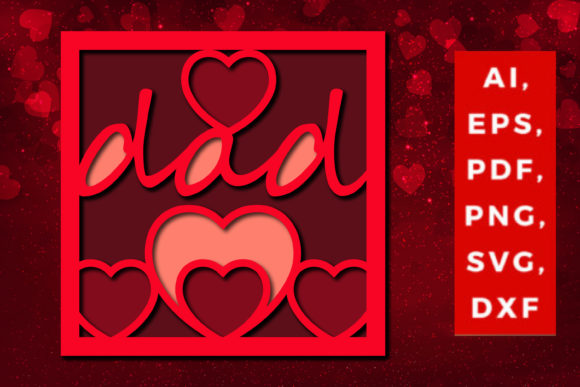
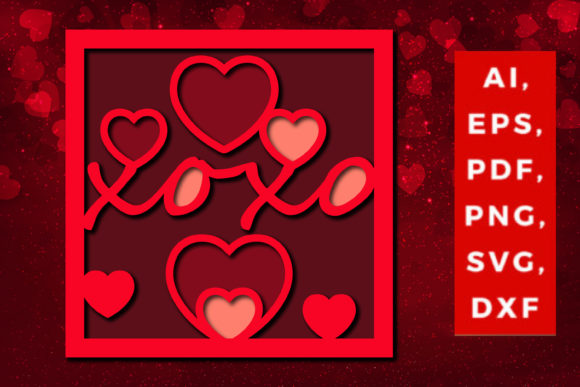
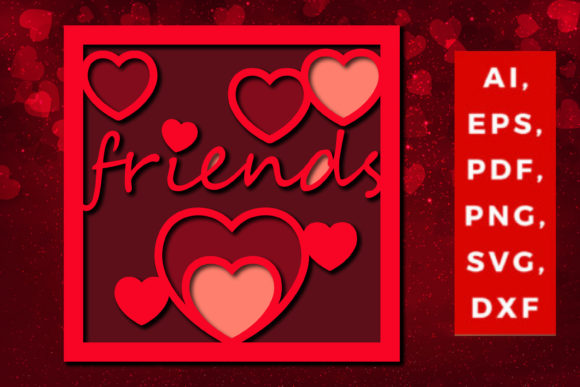
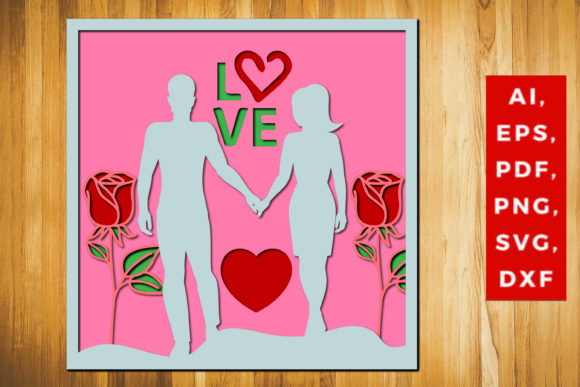
The moment you open the file, the layout communicates intention. This is not a flat, single-layer graphic. The "multi-layer" aspect is crucial here because it dictates how the eye moves across the finished product. The design leverages depth to create a sense of warmth and affection, which is exactly what a Valentine S Day theme requires without feeling overly saccharine. The shapes are clean, and the negative space is handled well, which is often where lesser designs fail.
Visually, it strikes a balance between whimsical and professional. For a handmade product intended for sale, this distinction matters. If a design looks too amateurish, customers perceive lower value. If it looks too sterile, it loses the emotional connection needed for a gift. This digital embroidery file lands squarely in the sweet spot. It feels like a premium asset that can elevate a simple tote bag design or a basic sweatshirt embroidery project into something that looks like it belongs in a curated boutique.
Real-World Application: The Tote Bag Test
To truly evaluate any design assets, you have to see them on a challenging surface. I decided to digitize and stitch this out on a thick, unbleached canvas tote bag—a common request for Etsy seller merchandise. Canvas is unforgiving; it shifts, it frays, and it hides detail quickly if the stitch density isn’t right.
The result was surprisingly crisp. Because the design utilizes distinct layers, the contrast between the different sections helped define the image even on a textured fabric. When I paired it with high-contrast thread colors—a deep red against the natural beige—the multi-layer effect really popped. It didn’t look muddy. Instead, it looked intentional. This is a key selling point for commercial embroidery projects where consistency is paramount. Buyers want their personalized gifts to look sharp, not like a blurry mess after one wash cycle.
I also tested it on a soft, white cotton-blend sweatshirt. Here, the design took on a softer, more romantic feel. The layers blended slightly more due to the nap of the fabric, creating a cozy aesthetic perfect for holiday gifting. This versatility is rare. Many designs work great on rigid caps but fall apart on flexible apparel. The Multi Layer Valentine s Mom SVG managed to bridge that gap effectively, making it a strong candidate for a mixed-inventory craft business.
Technical Performance and Stitch Clarity
From a technical standpoint, the structure of the file is sound. The use of satin stitch for borders and outlines provides a clean edge that helps anchor the design, while the interior fills appear balanced. However, as with any complex vector-to-stitch conversion, attention to detail is required during the digitizing process.
If you are planning to use this for an applique design approach, the layering works beautifully to simulate fabric pieces sewn on top of each other. But if you are going for a full fill, you need to be mindful of the stitch density. On smaller hoop sizes, dense areas can become stiff and uncomfortable, especially on baby embroidery items like bibs or burp cloths. In those cases, I recommend simplifying the background elements or reducing the overall size to maintain comfort and flexibility.
Another critical factor is the hoop size. While the design is scalable, pushing it too large without adjusting the internal spacing can lead to thread breaks or tension issues. Always check your machine’s capabilities before running a large batch. For most standard 4x4 or 5x7 hoops, this design fits comfortably, allowing enough room for the layered details to breathe without crowding the edges.
Where to Use It (And Where to Pause)
This embroidery project shines brightest on flat, stable surfaces. It is ideal for:
- Custom Apparel: T-shirts, hoodies, and jackets where the design can be centered prominently.
- Home Decor: Pillow covers and tea towels benefit from the decorative nature of the layers.
- Accessories: Purses and structured bags provide a sturdy base for the detailed stitching.
However, there are places where caution is advised. Avoid using this on highly textured fabrics like chunky knits or terry cloth, as the details will get lost in the weave. Similarly, stretchy fabrics require a strong stabilizer to prevent distortion, and even then, the intricate corners might pucker if the tension isn’t perfectly calibrated. Also, keep in mind that dark fabrics may require a heavier underlay or a contrasting background color to make the lighter layers visible.
Practical Notes for Designers and Sellers
If you are integrating this into your small shop product lineup, here are a few practical steps to ensure success:
- Test on Scrap Fabric: Never run a full production batch without testing on the exact material you plan to sell. Fabric behavior varies wildly.
- Check Thread Contrast: Use black and white mockups to verify that all layers are distinguishable. If two adjacent colors blend together in grayscale, they will likely blend in color too.
- Inspect Small Details: Zoom in on the finest lines of the design. Are they too thin? Will they fray over time? Adjusting these details in your digitizing software can save you headaches later.
- Confirm Licensing: Before listing this as a finished product for sale, double-check the commercial use rights. Some files are personal-use only, which can limit your revenue potential significantly.
- Create Printable Mockups: High-quality visuals drive sales. Use the design to create realistic previews for your online store, showing it on different colored garments to help customers visualize the final outcome.
Final Verdict
The Multi Layer Valentine s Mom SVG is a robust, visually appealing asset that offers genuine value for designers and entrepreneurs. It is not just a quick fix for a holiday rush; it is a versatile design that can serve as a cornerstone for a themed collection. Its ability to adapt to different materials while maintaining its structural integrity makes it a reliable choice for personalized gifts and custom apparel.
For creative entrepreneurs looking to expand their Valentine S Day inventory, this file provides a solid foundation. It allows you to create embroidered patch style aesthetics or full-fill garments with confidence. Just remember to respect the technical limitations of the medium, prepare your fabrics correctly, and always prioritize quality control. When done right, this design doesn’t just sit on the garment—it tells a story, connects emotionally, and encourages repeat business. It is a smart addition to any serious craft business toolkit.