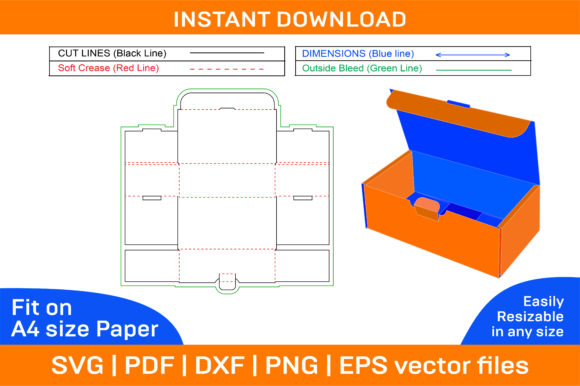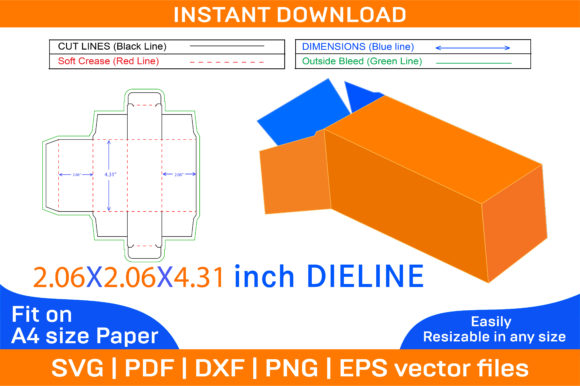
Review: Straight Tuck End Folding Box Dieline
As a designer who spends half my life staring at screen pixels and the other half troubleshooting stitch errors on the embroidery machine, I have learned to be skeptical of any file that claims to be "ready for anything." When I first pulled up the Straight Tuck End Folding Box Dieline, I wasn't expecting much. The title sounds technical, almost architectural. It sounds like something you’d use in Adobe Illustrator to build a package structure, not something you’d stitch onto fabric. But in the world of handmade goods and small business branding, packaging is often just as important as the product inside. So, I decided to put this Print Templates asset through its paces—not as a box template, but as a graphic element for an embroidery project.
The First Impression: Clean Lines and Modern Minimalism
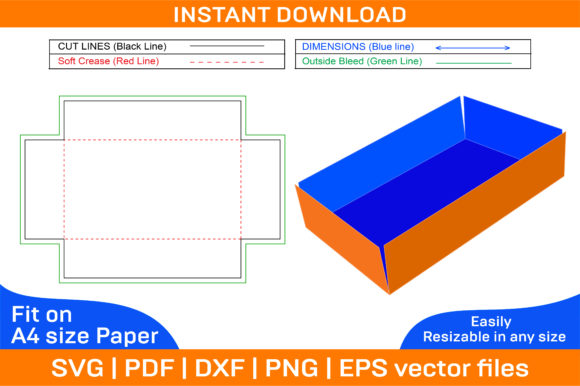
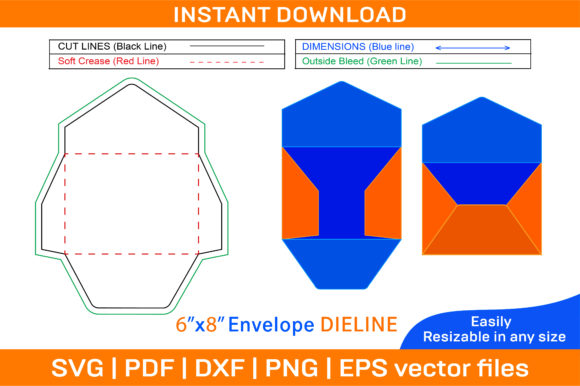
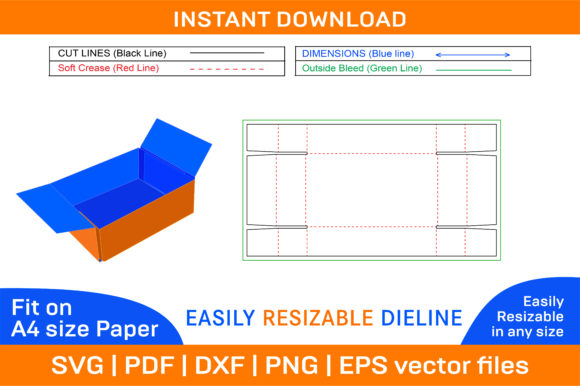
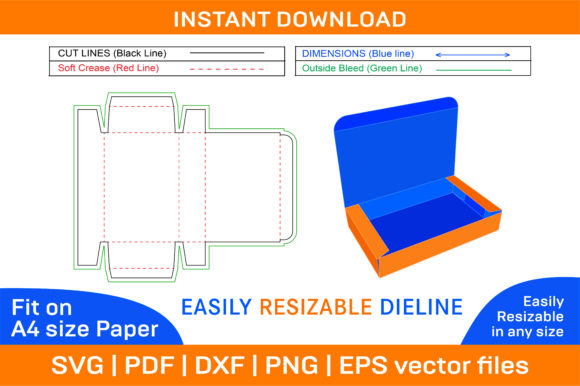
The immediate visual personality of the Straight Tuck End Folding Box Dieline is one of structured minimalism. It doesn’t scream for attention with wild florals or complex illustrations; instead, it offers a clean, geometric silhouette that suggests organization and quality. For an embroidery file, this is a crucial distinction. Complex designs can get lost in the noise of textured fabrics or fail to hold their shape over time. This design, however, relies on clear boundaries and defined edges.
When I imported the vector files (SVG, PDF, EPS) into my digitizing software, the lines were crisp. There was no jagged edge nonsense that usually plagues low-resolution graphics. This clarity translates directly to the final finished product. Whether you are planning to turn this into an embroidered patch or integrate it directly onto a garment, the geometry holds up well. It feels professional, reliable, and undeniably modern. It creates a mood of boutique elegance—think high-end skincare, artisanal coffee, or curated gift boxes rather than chaotic craft fair tables.
Real-World Application: From Digital Asset to Physical Goods
I wanted to see how this would perform in actual production scenarios. My primary test case involved creating a branded line for a small batch of custom tote bag design projects. Many sellers struggle with what to embroider on simple canvas bags without making them look cluttered. The Straight Tuck End Folding Box Dieline offered a perfect solution. By treating the dieline shape as a central graphic motif, I created a minimalist logo placement that looked intentional and stylish.
I also tested this concept on sweatshirt embroidery for a holiday collection. The idea was to create a subtle, sophisticated gift item for clients who appreciate understated luxury. The box shape served as a frame for smaller text elements, effectively turning the garment into a wearable piece of art. The contrast between the soft, stretchy knit of the sweatshirt and the rigid, printed-style look of the box design created a fascinating tension that customers seemed to love. It felt less like a standard novelty shirt and more like a custom apparel statement piece.
Beyond apparel, this design assets pack proved versatile for baby embroidery projects. Imagine a onesie featuring a tiny, neatly stitched version of this box shape, perhaps containing a monogram or a simple star inside the tuck end. It’s gender-neutral, clean, and fits perfectly within nursery decor aesthetics. For Etsy seller listings, these kinds of versatile, non-gimmicky designs often outperform overly cute or trendy motifs because they appeal to a broader demographic looking for timeless gifts.
Technical Considerations and Stitching Challenges
No design is without its challenges, and understanding where the Straight Tuck End Folding Box Dieline might struggle is vital for maintaining quality. While the vector lines are sharp, translating those into thread requires careful consideration of stitch density and hoop size.
- Small Hoop Sizes: If you attempt to digitize this for very small applications, such as a delicate embroidered patch for a child’s jacket, you must ensure the details remain legible. Tiny corners on a box shape can become rounded blobs if the stitch count is too high relative to the size. Always inspect small details closely before committing to production.
- Fabric Texture: This design relies on straight lines and right angles. On highly textured fabrics like heavy boucle wool or thick terry cloth, the definition of the box shape may soften. It performs best on smoother surfaces like cotton twill, linen blends, or stable jersey knits.
- Stretchy Fabrics: When working with stretchy materials, such as spandex blends or thin performance fabrics, the rigidity of the box design can cause puckering if not stabilized correctly. You need a strong stabilizer to prevent the fabric from distorting under the tension of the machine embroidery design.
- Dense Stitch Areas: If you plan to fill the entire box shape with a solid fill stitch, be mindful of the weight. A large, dense block of thread on a lightweight tote bag can make the fabric stiff and uncomfortable. Using a combination of satin stitch borders and open running stitch accents often yields a more elegant result.
Thread Colors and Visual Appeal
The success of this design hinges heavily on thread colors. Because the shape is so geometric, color choice dictates the mood. High-contrast combinations, such as white thread on navy blue or black thread on cream, maximize the impact of the clean lines. Low-contrast choices, like beige on tan, risk losing the definition of the tuck ends entirely. I recommend testing your chosen palette in a black-and-white mockup first to ensure the shape remains distinct even without color information.
Practical Designer Notes for Success
Before you rush to produce hundreds of units for your craft business, here are some essential steps to ensure the Straight Tuck End Folding Box Dieline delivers the professional finish your brand deserves.
- Test on Scrap Fabric: Never assume a digital preview matches the physical outcome. Stitch the design on the exact fabric type you intend to use. Check for puckering, thread breaks, and alignment issues.
- Check Licensing: While the ZIP archive includes various formats like PNG and AI, always confirm the licensing terms before selling finished items. Ensure you have commercial rights for both the digital file and the physical products derived from it.
- Inspect Corners: The "tuck end" aspect of the box involves specific folds. In embroidery, these sharp turns can be tricky. Verify that your digitizing software handles these angles smoothly, possibly adding trim stitches to keep the edges crisp.
- Consider the Finish: Will you use this as a standalone graphic or part of a larger composition? The Straight Tuck End Folding Box Dieline works beautifully as a background element for logos or quotes. Layering it behind text can add depth and structure to your personalized gift offerings.
Final Verdict
The Straight Tuck End Folding Box Dieline is not just a template for cardboard; it is a versatile graphic tool for the modern embroidery artist. Its strength lies in its simplicity and structural integrity. It brings a sense of order and professionalism to any embroidery project, whether it’s a holiday embroidery special, a commercial embroidery run for corporate gifts, or a unique addition to your small shop product line.
For creative entrepreneurs looking to elevate their brand presentation, this design offers a sophisticated way to merge packaging aesthetics with wearable art. Just remember to respect the technical limitations of fabric and thread. With proper preparation, attention to stitch density, and thoughtful color selection, this asset can help you create handmade products that stand out in a crowded marketplace. It’s a smart, practical choice for anyone serious about the intersection of design and craftsmanship.