Tiffin Box Embroidery Design Review
As a designer who spends half her life staring at stitch density charts and the other half arguing with clients about thread choices, I approach every new digital asset with a healthy dose of skepticism. We have all been burned by "cute" designs that turn into muddy blobs on a sweatshirt or unravel after one wash. That is why I take my time before integrating a machine embroidery design into my workflow. Recently, I pulled up the Tiffin Box or Paper Lunch Box, Food Box template to see if it had the legs for real-world application, specifically for my small batch of handmade goods and client requests.
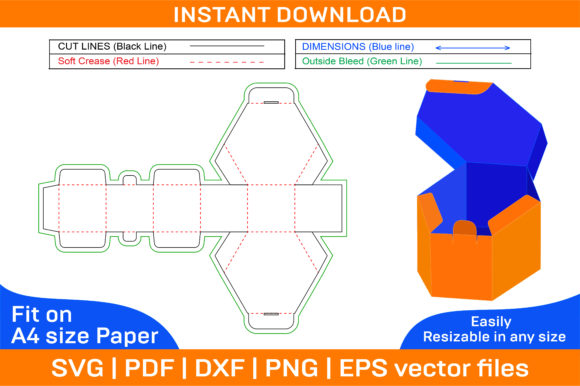
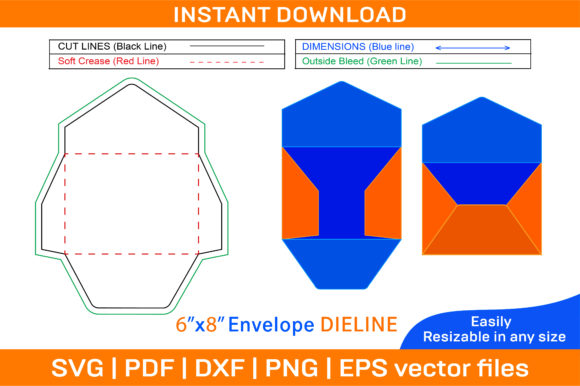
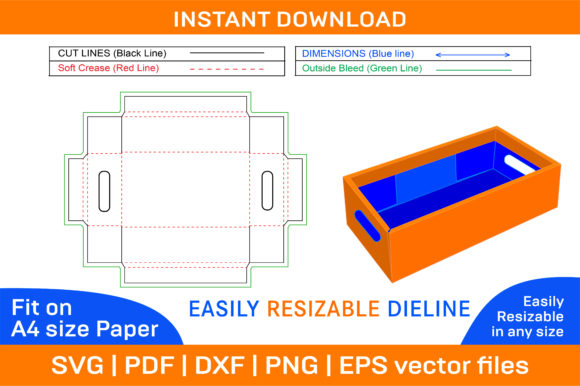
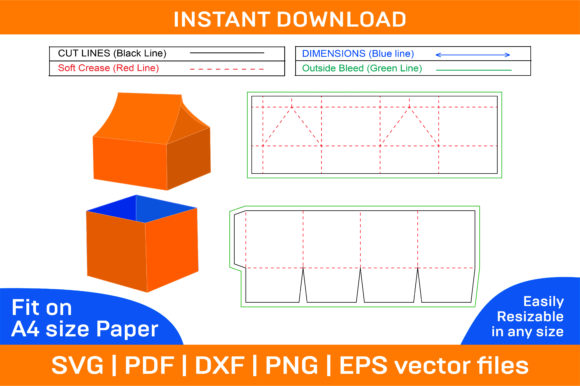
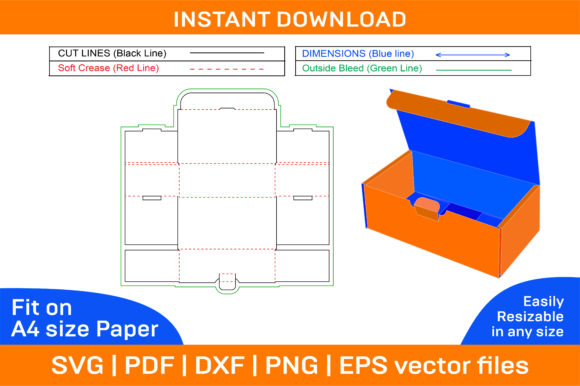
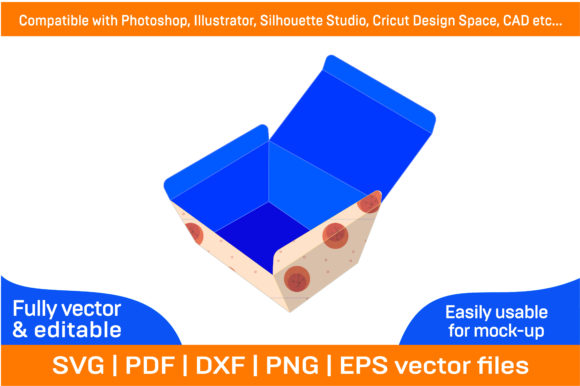
This isn't just another generic clipart file. It is a comprehensive package labeled under Print Templates and Graphics, offering a die-line template alongside a 3D box design. For those of us in the craft business, this distinction matters. It suggests versatility. The archive contains SVG, PDF, EPS, DXF, AI, and PNG files, which immediately signals that this digital embroidery file is meant to be more than just a patch; it is a design system. But does it hold up when the needle starts moving?
First Impressions and Visual Personality
The first thing you notice about the Tiffin Box or Paper Lunch Box, Food Box design is its nostalgic yet functional aesthetic. It evokes the feeling of a carefully packed meal, a school lunch from the 50s, or a charming boutique bakery item. The mood is warm, practical, and slightly retro. This visual personality makes it an excellent candidate for personalized gift markets. It doesn’t scream for attention like a loud graphic tee design; instead, it invites the viewer to look closer, appreciating the details of the latch, the lid, and the overall structure.
From a layout perspective, the design feels balanced. The central focus is clearly the box itself, leaving enough negative space around it for potential text additions like names or dates. This is crucial for custom apparel and embroidered patches. If you are creating a product line for an Etsy seller audience, this kind of adaptable layout allows you to offer personalization without cluttering the core image. It feels professional, not amateurish, which is often the difference between a sale and a scroll-past.
Real-World Application: Where Does It Fit?
I put this design through its paces mentally, imagining it on various substrates. The most obvious application is the classic tote bag design. A canvas tote embroidered with this tiffin box motif instantly becomes a statement piece for grocery shopping or beach days. Because the design has clean lines and distinct shapes, it translates beautifully onto heavy cotton duck canvas. The contrast between the sturdy fabric and the delicate stitching of the box details creates a tactile appeal that customers love.
Another strong contender is sweatshirt embroidery. Imagine a cream or sage green crewneck with the tiffin box centered on the chest. It’s cozy, domestic, and stylish. It fits perfectly into the current trend of "cottagecore" or minimalist home aesthetics. However, you must be mindful of the scale. On a large hoodie, the design might need to be scaled up significantly to ensure the details remain visible. Conversely, on a baby onesie, it would serve as a sweet, subtle accent, perfect for baby embroidery collections.
For the commercial embroidery sector, this design shines in the realm of branded merchandise. Think of local bakeries, lunch delivery services, or kitchen supply stores. A custom apron featuring this applique design (if executed with proper satin stitches) can elevate a simple work garment into a branded uniform. It adds a layer of trust and professionalism to the wearer, suggesting care and attention to detail—qualities any food-related business wants to project.
Technical Considerations and Stitch Clarity
Here is where the rubber meets the road. As an experienced reviewer, I cannot overlook the technical execution. The Tiffin Box or Paper Lunch Box, Food Box design relies heavily on clean geometry. When translating vector graphics into stitch density, there is a risk of distortion if the file is not optimized correctly. The sharp corners of the box and the thin lines of the latch mechanism require precise digitizing.
If you are using this as an embroidery project for the first time, start with a test run on scrap fabric. Check the thread colors carefully. A light grey box on a white background will disappear, while a navy blue box on black might lose its definition. I recommend testing in black and white mockups first to ensure the value contrast is sufficient. Also, inspect the small details closely. Are the tiny screws or hinges too fine? If so, they may fill in during stitching, turning into a solid blob rather than distinct features. In such cases, simplifying the design slightly might yield a cleaner finished product.
The inclusion of multiple file formats like DXF and SVG is a huge plus for designers who use cutting machines alongside their embroiderers. You could potentially combine a cut-out felt applique base with embroidered details for a mixed-media effect. This hybrid approach can reduce the stitch density on complex areas, making the final piece softer and more comfortable to wear, especially important for baby clothes or items worn against the skin.
Where to Use With Caution
No design is universal, and this one is no exception. There are specific scenarios where the Tiffin Box or Paper Lunch Box, Food Box design should be used carefully. Avoid placing it on highly textured fabrics like chunky knits or bouclé wool. The uneven surface will distort the straight lines of the box, making it look wobbly and unprofessional. Similarly, stretchy fabrics like spandex blends require a heavy-duty stabilizer to prevent puckering, and even then, the crisp edges of the design might warp.
Small hoop sizes are another limitation. If you try to fit this design into a 4x4 inch hoop, you may find that the details become too compressed. The latch and handle details might merge together, losing their character. For best results, use a larger hoop size to allow the design to breathe. Additionally, be cautious with dark fabrics. Unless you use a high-density underlay or a contrasting thread color, the lighter elements of the box may get lost in the weave of the fabric.
Final Verdict for Makers and Sellers
Overall, the Tiffin Box or Paper Lunch Box, Food Box is a versatile and visually appealing addition to any designer’s library. It strikes a nice balance between nostalgia and modern utility. Its strength lies in its adaptability across various handmade products, from kitchen towels and pillow covers to holiday gifts and boutique branding materials.
For the creative entrepreneur, this asset offers more than just a single image; it provides a theme. You can build a collection around it—matching napkins, bags, and wall art. The availability of design assets in multiple formats supports this broader vision. Whether you are a seasoned pro looking to expand your Etsy listings or a hobbyist wanting to create a unique personalized gift for a friend, this design delivers on both style and substance.
Just remember to do your homework. Confirm the licensing terms before selling finished items or digital products. Test your stabilizer choices. And always, always check the hoop size compatibility. When used thoughtfully, this design can help you create pieces that are not only beautiful but also durable and desirable. It is a solid choice for anyone looking to add a touch of vintage charm to their embroidery project repertoire.