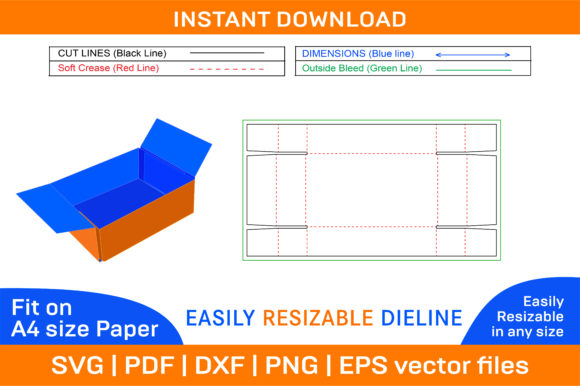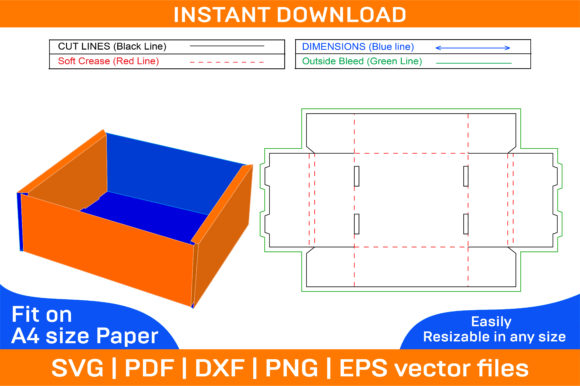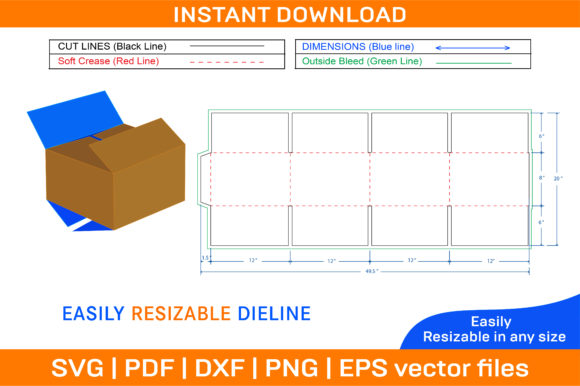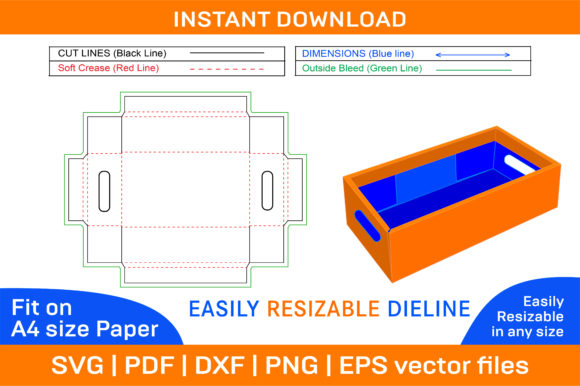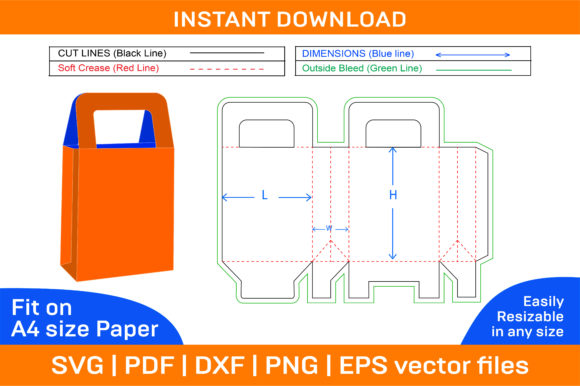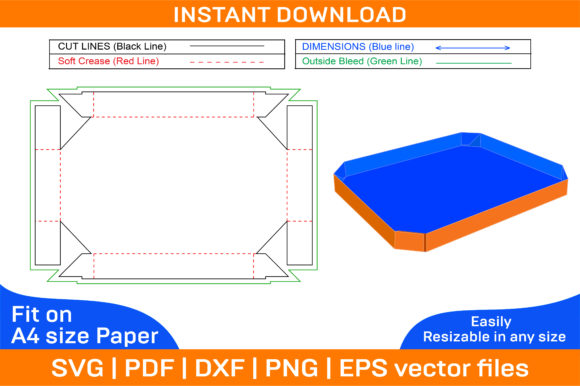
Tray Food Box Corrugated Paper Tray Box Graphics and Print Templates
In the world of digital publishing, the difference between a scroll-past and a click-through often comes down to visual trust. As a blog designer who has spent years optimizing content for readability and conversion, I have learned that our graphics are not merely decorations; they are the first handshake with our readers. When evaluating Tray Food Box Corrugated Paper Tray Box as a graphic design asset for real website and editorial use, we must look beyond its aesthetic appeal and consider its functional role in our content marketing strategy.
This review examines how this specific print template fits into the workflow of modern publishers, affiliate marketers, and creative entrepreneurs who need polished, professional visuals without starting from a blank canvas.
The Editorial Mood and First Impressions
When you first open the ZIP archive containing the SVG, PDF, EPS, DXF, AI, and PNG files, the immediate impression is one of tangible realism. The corrugated paper texture and the structural integrity of the folding box design evoke a sense of artisanal quality and eco-consciousness. In an era where digital fatigue is high, assets that mimic physical textures help ground the reader’s experience.
This design naturally supports niches focused on lifestyle, food blogging, small business branding, and sustainable living. It feels clean, modern, and slightly rustic—a perfect blend for brands that want to appear approachable yet professional. For content creators in the culinary or DIY sectors, this asset creates an editorial mood that suggests care, attention to detail, and authenticity. It is not overly playful or childish; rather, it carries a weight that implies substance. This visual hierarchy helps establish authority, making it an excellent choice for lead magnets, digital guides, and downloadable printables where perceived value is key.
Integrating Design Assets into Real Publishing Workflows
The versatility of this graphic design asset lies in its file formats. Having both vector (SVG, AI, EPS) and raster (PNG) options allows for seamless integration across various platforms. Here is how I recommend utilizing these design assets in your daily content operations:
- Blog Featured Images and Headers: Use the 3D box design as a central element in your article headers. By placing headline text over the negative space of the corrugated texture, you create a strong focal point that draws the eye immediately. This is crucial for reducing bounce rates and increasing time-on-page.
- Pinterest Pins and Social Media Graphics: Pinterest is a visual search engine, and imagery with depth performs exceptionally well. The die-line template allows you to mock up realistic packaging shots. Create a series of pins showing the box in different contexts—filled with products, empty for minimalist aesthetics, or being folded to show process. These social media graphics can significantly boost click-through potential by offering a glimpse of a tangible result.
- Digital Products and Lead Magnets: If you sell e-books, worksheets, or courses, this printable box template can serve as a cover design or an internal divider. It adds a layer of sophistication to your digital download, making it feel like a premium physical product. This is particularly effective for affiliate marketing pages where you want to showcase a product bundle or a gift guide.
- Newsletter Banners and Email Headers: In email marketing, visual consistency builds brand identity. Using this asset in your newsletter headers reinforces your theme week after week. Whether you are using a serif font for elegance or a sans-serif font for clarity, the neutral tones of the corrugated paper complement almost any typography style.
Enhancing Content Performance and Reader Trust
Why does this matter for your bottom line? Because visual consistency directly impacts reader trust. When a visitor lands on your site and sees cohesive, high-quality graphics across your featured images, category thumbnails, and social previews, they subconsciously perceive your content as more credible. This asset supports better category recognition, helping readers instantly identify the type of content they are about to consume.
Furthermore, the ability to customize the Tray Food Box Corrugated Paper Tray Box allows for stronger visual identity. You can adjust colors to match your brand palette while retaining the textured background. This flexibility ensures that your content marketing efforts remain aligned with your overall brand identity. For small business owners, this means you can maintain a professional look even when scaling your content production.
Strategic Placement: Where It Works Best
To maximize the impact of this graphic design asset, consider where it shines brightest in your web design layout:
- Hero Images: Large, full-width banners benefit from the detailed texture of the corrugated paper, which remains visible even at high resolutions.
- Article Thumbnails: Use simplified versions or close-up crops of the box edge to create distinctive thumbnails that stand out in a grid of text-heavy posts.
- Editorial Accents: Place smaller PNG elements alongside pull quotes or call-out boxes to break up long-form content and keep readers engaged.
- Downloadable Resources: As mentioned, use the AI or EPS files to create custom covers for your PDFs, enhancing the perceived value of your freebies.
Areas Requiring Careful Consideration
No single asset fits every scenario. There are situations where you should use this design asset carefully or avoid it altogether:
- Small Mobile Thumbnails: On very small screens, complex textures can become muddy. Test the asset at thumbnail size to ensure it remains recognizable.
- Text-Heavy Blog Images: Avoid overlaying dense paragraphs of text directly onto the corrugated texture. The noise in the background can reduce readability. Instead, use solid color overlays or place text in clean, untextured areas.
- Serious Professional Niches: If you are writing for corporate finance, legal advice, or serious medical topics, the rustic, craft-like aesthetic may undermine the seriousness of your message. In these cases, a more minimal visual system is preferable.
- Low-Contrast Backgrounds: Ensure there is sufficient contrast between your text and the box design. Poor contrast harms accessibility and user experience.
Practical Publisher Notes for Implementation
Before deploying this asset across your platform, follow these practical steps to ensure technical excellence:
Test Across Devices: Preview the graphics on desktop, tablet, and mobile screens. Check how the aspect ratios hold up in sidebar widgets versus full-width banners.
Check Typography Pairings: Experiment with different font styles. A script font might add a nice touch for a recipe blog, while a bold display font could work well for a product launch page. Always review file size for web performance; compress your PNGs properly to maintain fast load times, which is critical for SEO and user retention.
Verify Licensing: Confirm commercial licensing before using this asset on monetized websites, affiliate pages, or paid content products. Most creative marketplaces provide clear guidelines, but it is essential to ensure you have the right to use the Print Templates for your specific business model.
Ultimately, Tray Food Box Corrugated Paper Tray Box is more than just a pretty image. It is a tool for communication. By integrating it thoughtfully into your editorial design and web design strategies, you elevate the entire presentation of your content. Whether you are creating a new digital guide, updating your social media graphics, or refining your brand identity, this asset offers the flexibility and quality needed to compete in today’s crowded digital landscape. For bloggers, designers, and publishers alike, it represents a smart investment in visual storytelling that resonates with audiences seeking authenticity and professionalism.