Reverse Tuck End Square Folding Box Graphics Freebies
When I first pulled the ZIP archive for the Reverse Tuck End Square Folding Box into my design workspace, I wasn’t just looking at a file; I was looking at a potential revenue stream. As someone who has spent years building digital product shops on Etsy and Creative Fabrica, I know that packaging is often the unsung hero of perceived value. You can have a beautiful digital download or a physical craft item, but if it arrives in a flimsy envelope or looks unprofessional, the customer experience drops immediately. This asset isn’t just a box; it’s a structural solution to a common seller problem: presentation.
The mood of this graphic design asset is undeniably clean and modern. It doesn’t scream with loud colors or chaotic patterns because, by default, it is a dieline template. However, that blank canvas is exactly what makes it so versatile. It feels premium and minimalist, appealing to buyers who value organization, elegance, and high-quality handmade goods. Whether you are selling printable planners, sublimation mugs, or custom jewelry, this folding box provides a neutral yet sophisticated backdrop that lets your actual product shine. It attracts an audience that is willing to pay for aesthetics and convenience, which is the sweet spot for any serious small business branding effort.
From Dieline to Digital Product
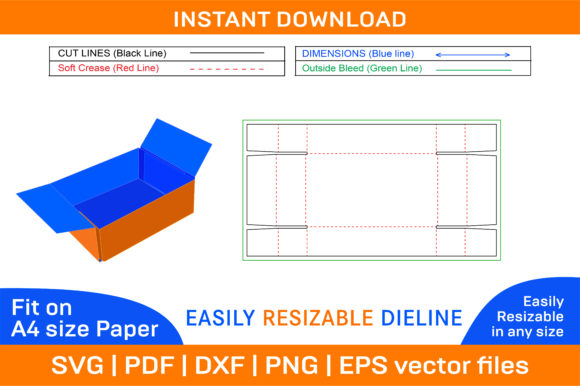
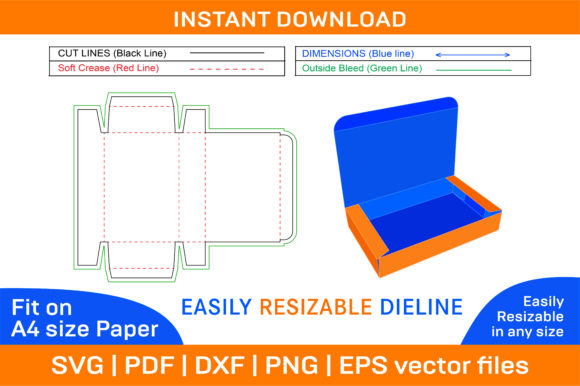
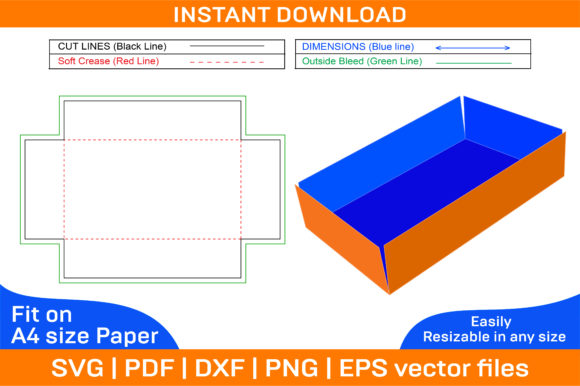
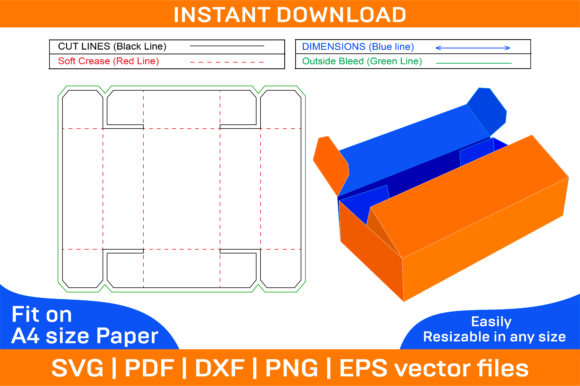
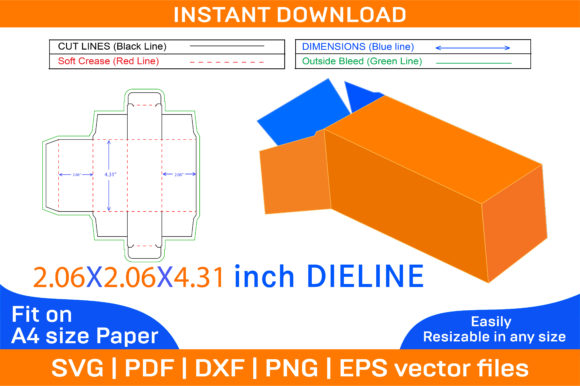
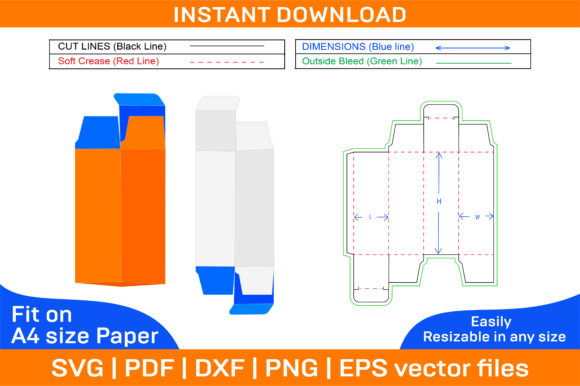
The technical breakdown of this Reverse tuck end Square folding box Dieline template and 3D Box design is where the real utility lies. The ZIP archive contains SVG, PDF, EPS, DXF, AI, and PNG files. For a digital product creator, this variety is crucial. It means you aren’t locked into one software ecosystem. If you run a Cricut project shop, the DXF and SVG files are ready to go. If you cater to Canva template sellers or designers who prefer Adobe Illustrator, the AI and EPS files ensure scalability without quality loss.
I tested this asset with a specific scenario in mind: launching a seasonal bundle of printable wall art. Instead of sending customers a flat PDF, I wanted to offer a "ready-to-gift" option. Using the 3D Box design component, I created a mockup where the artwork appeared inside the folded box. This transformed a simple digital download into a tangible-looking gift set. The visual hierarchy shifted from "here is a file" to "here is a complete product." This shift significantly increased the perceived value, allowing me to price the bundle higher than individual prints.
Real-World Selling Scenarios
So, how does this fit into your current inventory? The applications for a square folding box are broader than you might think. Here is how I integrated this asset into different product lines:
- Print-on-Demand Merchandise: If you sell t-shirt designs or mug designs, you can use the PNG design of the box as a mockup base. Place your graphic on the box face, render it, and use that image as your primary listing photo. It looks far more professional than a flat lay on a table.
- Etsy Product Listings for Physical Goods: For those selling handmade stickers, resin charms, or candles, this packaging design serves as a blueprint. You can print the dieline on cardstock, cut it out using a Silhouette or Cricut machine, and assemble it. It elevates your unboxing experience, encouraging repeat customers and positive reviews.
- Digital Download Templates: You can resell this as a standalone packaging template. Many small business owners struggle with box dimensions. By offering a pre-made, accurate reverse tuck end square box, you solve a logistical headache for them. Pair it with instructions on how to print and fold, and you have a high-value commercial design tool.
- Social Media Graphics: Use the 3D view to create promotional visuals. A rotating or static image of a branded box looks great on Instagram or Pinterest. It adds depth to your feed and breaks up the monotony of flat images.
Testing Before Publishing
Before I committed to using this asset in my main shop, I ran a series of tests. This is a critical step for any creative entrepreneur. First, I checked the file resolution. While vector files like SVG and AI are infinite, the included PNG files needed to be high enough for large-format printing if I intended to use them for physical prototypes. I verified that the edges were crisp and the transparency was clean, ensuring no white halos when placed over colored backgrounds.
I also tested the cut quality. When importing the SVG into my cutting software, I inspected the line weights. Some users might find the cutting lines too thin or too thick depending on their machine settings. I adjusted these to ensure that when printed and cut, the tabs aligned perfectly. Misaligned tabs ruin the integrity of a folding box, so precision matters.
Another important check was contrast. I placed sample text and graphics on the box faces to see how they looked against the white background. On dark backgrounds, I ensured the box details remained visible. Weak contrast can make a product look muddy in thumbnail previews, which kills click-through rates on marketplaces like Etsy or Shopify.
Strategic Use Cases and Risks
This asset works best in contexts where structure and presentation are key. Large product previews, themed bundles, and decorative layouts benefit most from the three-dimensional aspect of the 3D Box design. It adds a layer of realism that flat graphics lack. It is particularly effective for printable products that need to feel substantial, such as greeting cards, invitation templates, or planner stickers.
However, there are areas where caution is advised. Do not attempt to use this for tiny sticker details where the box structure might distract from the intricate design. Similarly, avoid overly complex layouts on the box faces themselves; let the box shape do the talking. If you are creating a Cricut project for beginners, ensure the cutting lines are clearly labeled in your instructions, as folding boxes can be tricky for novices. Also, be mindful of low-resolution print products; if you are scaling the box up for a large display, ensure you are using the vector files (AI, EPS, SVG) and not the raster PNGs to avoid pixelation.
Practical Seller Notes for Success
To get the most out of this freebie, I recommend organizing the files clearly for your customers. Create a folder structure that separates the raw dielines from the 3D mockups. When you pair this asset with typography, consider using a serif font for elegant brands, a sans-serif font for modern minimalism, or a script font for handmade, feminine vibes. Display fonts can work well for bold, statement pieces.
Always confirm your commercial license before selling finished products. While many freebies allow commercial use, the terms vary. Assuming you have the rights, you can confidently list this as part of your design assets collection. Remember to preview your final designs as marketplace thumbnails. Does the box stand out? Is the brand identity clear? Visual storytelling is powerful, and a well-designed box tells your customers that you care about every detail of their purchase.
In conclusion, the Reverse Tuck End Square Folding Box is more than just a template; it is a tool for enhancing brand identity and customer satisfaction. Whether you are a content creator, blogger, or seasoned designer, integrating this asset into your workflow can streamline your production process and elevate your online presence. It bridges the gap between digital creativity and physical reality, offering a practical solution for sellers who want to present their work with professionalism and style.